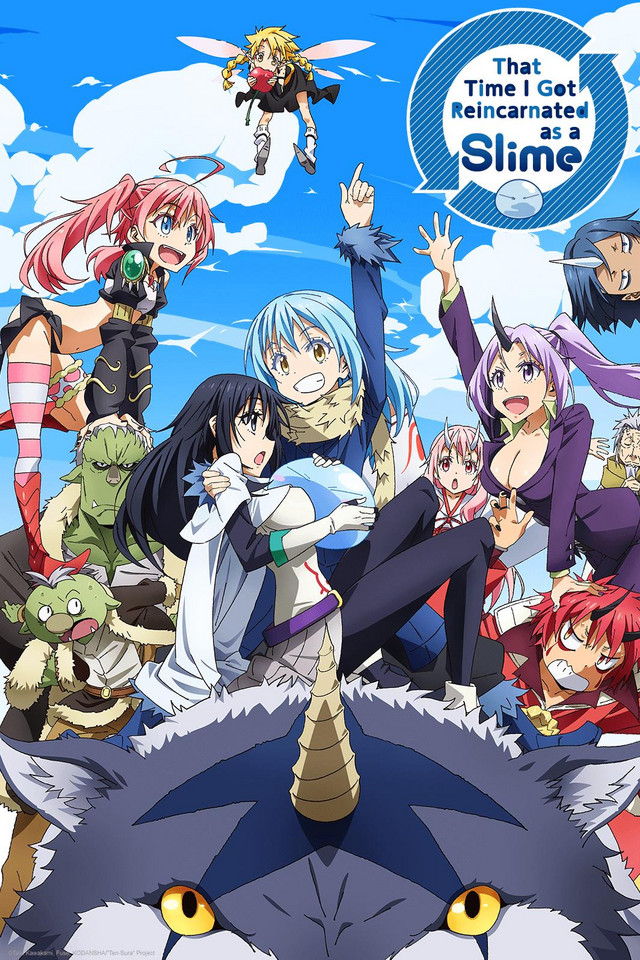
Can an isekai about a lonely office worker turned slime stay charming for a full 24-episode season — or does the joke run out after the cave? That Time I Got Reincarnated as a Slime Season 1 answers by turning a meme premise into one of the warmest nation-building fantasies of the late 2010s. This is the Kagex Blog Season 1 review: worth watching, what works, what drags, and where to start.
Hook
Most isekai pilots sell power. Season 1 of Tensura sells a feeling: what if the second life was not about revenge or ranking, but about building a place where weirdos, monsters, and exhausted adults finally fit?
Rimuru Tempest begins as a bouncing blue joke. By the midpoint, he is coordinating tribes against a crisis that could swallow the Great Forest of Jura. By the end, Tempest feels like a home you would defend. That arc — from cave curiosity to community — is why Season 1 still works as a binge and as a “should I start this show?” sample.
If you want tournament arcs and constant underdog fights, this may feel soft. If you want fantasy adventure with humor, found family, and a protagonist who wins by naming people instead of humiliating them, Season 1 is an easy continue.
Quick Information
- Anime: That Time I Got Reincarnated as a Slime (Tensei Shitara Slime Datta Ken)
- Season: Season 1
- Episodes: 24
- Studio: 8bit
- Original air dates: October 2, 2018 – March 19, 2019
- Genres: Fantasy, Adventure, Isekai, Comedy
- Source: Light novel by Fuse
- Opening themes: “Nameless Story” / “Megurumono” (Takuma Terashima)
- Ending themes: “Another Colony” (TRUE) / “Little Soldier” (Azusa Tadokoro)
- Kagex score: 8.5 / 10
- Where to watch legally: Crunchyroll (availability can vary by region)

Should You Watch Season 1?
Yes — if you want cozy power fantasy with real community stakes. Season 1 is beginner-friendly, mostly self-contained as an origin story, and clearer about its identity than many longer isekai first seasons.
Is it worth watching in 2026? Still yes. The tone has not aged into irony. The humor is gentle. The nation-building loop (save people → name them → watch the village grow) remains satisfying if you like progression fantasy without constant grimdark.
Is it slow? Early episodes prioritize discovery, village life, and relationships over nonstop combat. The Orc Lord stretch is where the season proves it can escalate. If you quit before the forest crisis, you quit before the thesis lands.
Who will love it? Fans of found-family casts, skill-system curiosity, fantasy adventure world tours, and protagonists who lead with kindness plus practical problem-solving.
Who might bounce? Viewers who need constant underdog tension, dark political intrigue from episode one, or a human-faced lead for the whole runtime. Rimuru’s slime era is a feature here, not a bug — but it is also a taste test.
Bottom line: start with Episode 1. If the Veldora hangout works for you, Season 1 as a whole is an easy recommend.
Spoiler Warning
Light spoilers for Season 1 structure and major arcs follow. The next sections discuss story beats, character turns, and season-ending setup. Skip to the Final Verdict and FAQ if you want a spoiler-light recommendation only.
Season Story Overview
Season 1 is Rimuru’s origin as a leader. It is not trying to finish the franchise. It is trying to answer one question: can a lonely reincarnated adult build peace in a monster-filled forest without becoming a tyrant?
Cave to community
The premiere kills an exhausted office worker and restarts him as a slime with Great Sage as an internal guide. The sealed Storm Dragon Veldora becomes the season’s first real relationship — lonely myth meets lonely person. Naming, predation, and curiosity become the grammar of the show. Then Rimuru leaves the cave and meets goblins who need protection more than they need a speech about destiny.
Those early episodes are the soft landing. Direwolves become allies. Names trigger evolution. The joke premise starts producing a village. If Season 1 only stayed here, it would be pleasant and thin. It does not stay here.

Dwargon, artisans, and the wider map
The dwarf kingdom stretch opens the world. Rimuru needs builders, not just fighters. Dwargon introduces politics, prejudice against monsters, and King Gazel — a human-world power who notices something unusual about this slime. Season 1 is smarter than “OP protagonist walks into town.” It uses travel to collect skills, people, and consequences.
Shizu: the season’s emotional bruise
Shizu’s arc is Season 1’s most important human story. A summoned girl carrying a fire spirit’s curse meets Rimuru, and the show briefly stops being only cozy. Her farewell gives Rimuru a human form and a promise that echoes later: this world has cruelty as well as found family. Without spoiling every beat, this is the stretch that proves Tensura can hurt on purpose — and that Rimuru’s kindness is a choice, not naivety.
Ogres, naming, and Tempest’s military core
Displaced ogres become kijin after Rimuru names them. Benimaru, Shion, Shuna, Hakurou, Souei, and Kurobe are not just power-ups; they are the cast that makes Tempest feel like a nation with departments. Season 1’s ensemble strength starts here. The village stops being “Rimuru and goblins” and becomes a fantasy community with specialists.
The Orc Lord crisis
The mid-to-late season forest war is the structural peak. An orc army driven by starvation and manipulation threatens the region. Rimuru has to coordinate tribes, make hard calls, and finally confront what overpowered abilities mean when thousands of lives are on the board. The Orc Lord arc is where cozy becomes consequential. It is also where many first-time viewers decide the show is more than a slime gag.
Nationhood, Milim, and the late-season tests
After the crisis, Tempest’s identity hardens: not just a village, but a federation idea other powers must acknowledge. Later episodes bring larger personalities and threats — including Demon Lord Milim’s chaotic entrance and a late-season calamity that forces the young nation to fight as one. The final stretch also plants seeds for Season 2 through students, unfinished promises, and the sense that Tempest’s peace is now visible enough to attract trouble.
Story Analysis
Season 1 works because it sequences feelings correctly: loneliness → curiosity → belonging → responsibility. A lot of isekai reverse that order and start with responsibility theater. Tensura earns the crown after the friendships.
Pacing is the usual complaint, and it is fair in spots. The village-building episodes love montage energy. Some side quests breathe longer than they need to. But the season’s best trick is using “slow” time to make the Orc Lord escalation land. You care about the map because you lived on it first.
Tone stays surprisingly consistent. Comedy never fully disappears, even in crisis. That can undercut dread for viewers who want darker fantasy. For the intended audience, it is the brand: warmth with stakes, not misery with jokes.
Theme is clearer than the meme suggests. Naming is power, but also care. Eating is growth, but also inheritance. Rimuru keeps absorbing skills and people — and Season 1 keeps asking what he owes them. The Shizu stretch and the orc aftermath are the moral spine under the comfort food.
Structure is classic first-season world-building: open the board, introduce factions, force a coalition war, end with a recognized home and unfinished debts. As a Season 1 of a long franchise, that is disciplined. It does not try to finish every plot. It finishes the origin of Tempest.
Compared with other isekai first seasons, Tensura Season 1 is less interested in ranking boards and more interested in logistics of belonging — food, housing, naming, alliances, and what happens when kindness scales into policy. That is why the “SimCity with monsters” compliment keeps showing up in fan conversations. The pleasure is watching systems and relationships compound, not watching a lone hero collect belts.
The season’s weaker seams are mostly transitional: some travel episodes exist to move pieces onto the board, and the final stretch starts aiming at Season 2 more openly. Even then, the core loop stays intact. You leave Season 1 understanding who Rimuru is, what Tempest wants to be, and why the next conflict will hurt if it threatens that home.
Character Analysis
Rimuru Tempest
Rimuru is the season’s cheat code and its conscience. First impression: adaptable, polite, lonely, oddly managerial. He does not chase a throne; he chases solutions. That makes the power fantasy feel less like ego and more like project management with magic. Season 1’s Rimuru is still forming — kinder than he is political — which is why later seasons can escalate without erasing the pilot’s heart. Full guide: Rimuru Tempest explained.
Veldora
The sealed storm dragon remains one of anime’s best “terrifying being wants a friend” introductions. Even after the cave, his presence shapes Rimuru’s identity and the world’s fear of what disappeared from that seal. Veldora is comic relief and mythic battery at once. See Veldora Tempest explained.
Great Sage
The calm internal system that makes exposition entertaining. Season 1 would be clumsier without that deadpan skill voice turning world rules into banter.
Tempest’s early family
Rigurd, Gobta, Ranga, Kaijin, and the kijin core sell the nation. Gobta is comic relief that still participates. Benimaru brings pride and command. Shion is loyalty with chaos. Shuna is grace and domestic intelligence. Hakurou is mentorship. Souei is quiet competence. Together they stop Rimuru from being a solo overpowered slideshow.
Shizu
The season’s sharpest emotional character. Her history as a summoned human makes the fantasy world’s cruelty personal. Season 1 is better because she exists — even if her arc hurts. Full guide: Shizue Izawa (Shizu) explained.
Antagonists and catalysts
Gelmud, the Orc Lord crisis, and later larger threats matter less as “final bosses of the franchise” and more as pressure tests for Rimuru’s leadership style. Season 1 antagonists often exist to force coalition and conscience.
World Building
Season 1 introduces a readable fantasy system: skills, naming, magicules, monster evolution, sealed myths, dwarf politics, and forest ecology. You do not need a wiki to follow it. The Great Forest of Jura feels like a place with resources, borders, and rumors — not a tutorial zone with wallpaper trees.
Tempest’s growth is the best world-building trick. Houses, hot springs ambitions, trade, diplomacy, and military organization appear because people need them. That is why the nation-building fantasy works: the map changes because relationships change.
Animation Review
Studio 8bit’s Season 1 look is clean, colorful, and built for readability more than nonstop sakuga. Village life scenes sell comfort. Action peaks (especially around the forest war and bigger confrontations) rise enough to feel like events without rewriting the show’s identity into pure battle anime.
Character designs carry the ensemble. Rimuru’s slime readability is intentional comedy. Humanoid forms and monster designs stay distinct in crowded frames. Background art supports the “this could be a home” thesis better than neon spectacle would. If you judge Season 1 only by sakuga reels, you will underrate it. Judged as atmosphere and cast staging, it is solid.
Music and Voice Acting
“Nameless Story” sets the adventure-with-melancholy tone early; “Megurumono” carries the second cour’s broader journey energy. “Another Colony” and “Little Soldier” give the endings their own emotional lanes — hopeful, a little lonely, fitting for a reincarnation story about unfinished lives.
Voice chemistry is a major reason the ensemble sticks. Great Sage’s calm precision, Rimuru’s flexible lead energy, Veldora’s boom, and the growing Tempest cast’s banter make the village scenes replayable. Season 1 sounds like a found-family show even before the plot says the word “federation.”
Best Moments
Meeting Veldora. Still the franchise’s cleanest friendship ignition.
Naming the village into evolution. Progression fantasy as community care — peak Tensura.
Shizu’s farewell and Rimuru’s human form. The season’s emotional high point, and the moment comfort food reveals a bruise.
The Orc Lord coalition war. Proof Season 1 can scale stakes without abandoning warmth.
Tempest becoming something other nations must recognize. The “we built a home” payoff the premiere promised in miniature.
Pros and Cons
Pros: excellent beginner on-ramp; warm found-family cast; satisfying nation-building loop; strong mid-season escalation; emotional peak with Shizu; clear identity for the whole franchise.
Cons: early pacing can feel soft if you want constant battles; Rimuru’s power advantage lowers suspense for some viewers; late-season setup threads (especially student-related threads) can feel like a bridge to Season 2 more than a closed ending.
Final Verdict
Season 1 is the right first chapter for Tensura: funny enough to binge, warm enough to recommend to non-hardcore anime fans, and serious enough in the middle that the slime joke never becomes the whole product. It builds a home, then asks what defending that home will cost later.
- Story: 8.3 / 10
- Characters: 8.6 / 10
- Animation: 7.9 / 10
- Music: 8.1 / 10
- Enjoyment: 8.9 / 10
- Overall: 8.5 / 10
Recommendation: watch Season 1 if you want cozy isekai that grows into real community stakes. Start at Episode 1, give it through the forest crisis before judging, and continue if Tempest already feels like a place you would visit again.
What Comes Next
Season 2 widens the board: bigger politics, heavier consequences, and a Tempest that can no longer stay a secret forest miracle. No deep spoilers here — just this: if Season 1 made you protective of the village, the next season tests that attachment.
FAQ
Is Tensura Season 1 worth watching?
Yes. It is a complete origin story for Rimuru and Tempest, with a clear tone and a mid-season escalation that justifies the binge.
How many episodes are in Season 1?
24 main television episodes, aired from October 2018 to March 2019.
Is Season 1 beginner friendly?
Very. No prior light novel homework required. Episode 1 explains the premise cleanly.
Is the season slow?
Early episodes are lighter and more exploratory. The Orc Lord arc is where urgency spikes. Patience through the village-building stretch pays off.
Do I need to watch the OVAs or Slime Diaries first?
No. Watch Season 1 first. Side content can wait until you know you like the cast.
Is it only comedy?
No. Comedy is constant seasoning, but Shizu’s arc and the forest war carry real emotional and narrative weight.
Where can I watch Season 1 legally?
The series has been widely available on Crunchyroll. Check your local catalog for current licensing.
Should I continue to Season 2?
If Tempest’s found-family vibe clicked and you want larger stakes, yes. Season 1 is the welcome mat; Season 2 is the wider stage.
Is Season 1 good for fantasy adventure fans who dislike dark isekai?
Yes. It has danger and grief, but the default mood is hopeful. If you bounced off grimdark reincarnation stories, this is one of the safer high-profile alternatives.
Does Rimuru stay a slime the whole season?
No. The slime form remains part of his identity and comedy, but Season 1 also gives him a humanoid form tied to a major emotional arc. Both matter.
Keep exploring
- That Time I Got Reincarnated as a Slime — anime hub
- Season 1 Episode 1 review
- Full series review
- Browse seasons & episodes
- Tensura characters & powers
- Rimuru Tempest explained
- Milim Nava explained
- Season 2 review
Your turn
What was your favorite Season 1 arc — the cozy village stretch, Shizu, or the Orc Lord war? Did Rimuru’s leadership style work for you? What score would you give Season 1?