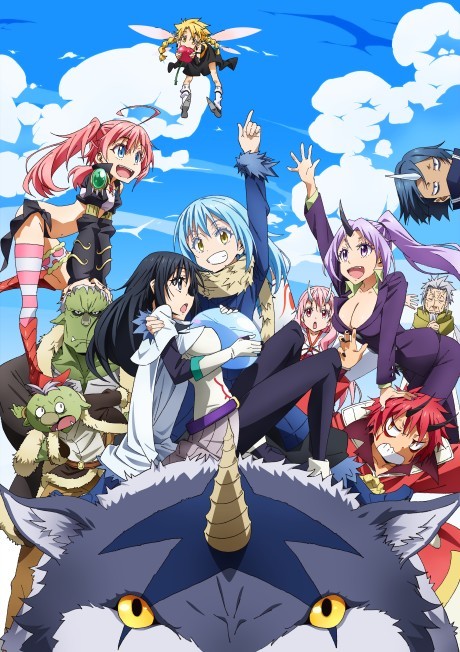
Episode 1 made you care about a lonely slime and a sealed dragon. Episode 2 asks the harder question: what happens when friendship becomes a name, a risk, and a responsibility to strangers? That Time I Got Reincarnated as a Slime Season 1 Episode 2 — “Meeting the Goblins” — is where Rimuru Tempest stops being a cave story and starts becoming a leader people will click to understand. Stay for the naming. Stay for the goblins. Stay if you want to know whether Episode 2 is worth continuing after the pilot.
Hook
A name should be a label. In Tensura, a name is a contract. Episode 2 opens inside the same sealed darkness as the premiere, then quietly detonates the series’ first real system: when Veldora and the slime name each other, the joke premise becomes identity. Rimuru Tempest. Veldora Tempest. A family name chosen like a promise, not like branding.
Then the episode does something braver than another skill montage. It shows the cost of that promise rippling outward. Swallowing a sealed storm dragon to analyze a prison is not only a power fantasy — it is a geopolitical event the protagonist does not even see. Nations feel the absence. Monsters move. A goblin village loses the scary umbrella that used to keep bigger predators polite.
That is why Episode 2 is the true “series start” for a lot of viewers. Episode 1 sells tone. Episode 2 sells trajectory: out of the cave, into the forest, into other people’s fear. The question this page answers is simple: after a perfect lonely hangout pilot, does Tensura still work when the slime has to say yes to a village?
Quick Information
- Anime: That Time I Got Reincarnated as a Slime (Tensei Shitara Slime Datta Ken)
- Season / Episode: Season 1, Episode 2
- Japanese episode title: ゴブリンたちとの出会い (“Meeting the Goblins”)
- Runtime: about 24 minutes
- Studio: 8bit
- Genres: Fantasy, Adventure, Isekai, Comedy
- Original air date: October 9, 2018
- Kagex score: 8.6 / 10
- Where to watch legally: Crunchyroll (availability can vary by region)
- Characters unlocked here: Rigurd, Rigur, early goblin cast (see also Gobta)

Should You Watch It?
If Episode 1 worked for you, Episode 2 is an easy continue. It keeps the humor and systems curiosity, then adds the first “other people need me” crisis. You do not need light novel homework. You do need patience for a transition episode that splits time between cave aftermath, outside reactions, and the goblin introduction.
Is it worth watching? Yes — especially if you care about how Rimuru becomes Rimuru. The naming scene is franchise mythology. The goblin plea is the first nation-building seed. Skip Episode 2 and you skip the moment the protagonist stops surviving alone.
Is it slow? Parts of it are. There is travel, hunting, and setup for a fight that fully lands later. If you wanted the direwolf battle in this exact runtime, you may feel teased. If you like watching a power fantasy grow roots, the pacing is intentional.
Is it beginner friendly? Yes, as long as you watched Episode 1. Character names start mattering here — click Rimuru, Veldora, Rigurd, and Rigur when you want faces explained without leaving the binge mindset.
Who will enjoy it? Fans of found-family starts, naming/power-system payoffs, and soft leadership stories. Viewers who only want nonstop battles may call this a bridge episode — fair, but it is a bridge to the show’s actual identity.
Bottom line: watch it. Episode 2 is where Tensura stops being a cute cave buddy comedy and becomes a fantasy about responsibility.
Spoiler Warning
Spoilers for Season 1 Episode 2 follow. Stop above if you want a clean first watch. No Episode 3 battle spoilers beyond what Episode 2 itself sets up.
Story Recap
Ordinary Life (inside the seal)
Episode 2 begins where the pilot’s warmth left off: two lonely beings who finally have company. The slime can leave. Veldora cannot. That imbalance is the episode’s first honest problem. Friendship without freedom is still a cage with better conversation.
Instead of pretending the seal is set dressing, the story treats it as a project. The slime wants a way to free the dragon. Great Sage remains the calm engine of that plan. The mood is still cozy — but the clock is visible now. Staying forever would mean choosing comfort over growth.
Unexpected Incident (names and Predator)
Before the risky move, they exchange names. Veldora names the slime Rimuru. Rimuru answers with a shared surname: Tempest. It is funny, tender, and mechanically huge. Naming is not flavor text in this world; it is power, identity, and belonging in one gesture.
Then Rimuru uses Predator to take Veldora inside and analyze the Unlimited Imprisonment from within. The personal goal is rescue. The side effect is a shockwave through the wider setting: the Storm Dragon’s presence vanishes from the board. Episode 2 is careful to show that Rimuru’s kindness can still rewrite maps.

New World (the cave opens)
With Veldora stored and silent for now, Rimuru trains the hard way: hunt, eat, analyze, repeat. Skills accumulate. Water Blade appears as a practical tool, not a tournament finisher. The cave that felt like a lonely classroom in Episode 1 becomes a resource dungeon with an exit condition.
That exit arrives thanks to human curiosity. Adventurers investigating the dragon’s status open a path Rimuru can use. It is a neat irony: the outside world’s fear of Veldora becomes the door Rimuru needs. The slime finally leaves the sealed prologue location and enters the Jura Forest as a named monster with unfinished promises in their stomach.
First Discovery (the forest is not empty)
Outside, Episode 2 widens the camera. Leaders and monsters notice the Storm Dragon’s absence. The forest’s political weather changes. Weak communities that lived under a terrifying umbrella suddenly look like free real estate to predators. You do not need a lore lecture to feel the pressure — the goblins will explain it with their lives on the line.
Rimuru’s first days beyond the cave are still discovery-first. The comedy of a slime testing skills continues. But the tone has shifted: every new ability now feels like preparation for other people’s emergencies, not only self-preservation.
Important Encounter (the goblins)
Rimuru meets a goblin village led by elder Rigurd, with Rigur among the younger faces asking for survival, not glory. Their guardian-deity situation collapsed when Veldora’s presence disappeared. Direwolves are pressing in. The goblins are outmatched in body and gear.
They do not see a cute blob. They see aura and hope. Rimuru — still carrying Satoru Mikami’s inability to refuse a sincere ask — agrees to help. That yes is the series’ first real leadership decision. Episode 2 ends less like a closed short story and more like the opening chapter of Tempest. For comic goblin soldier energy that grows from this generation, see Gobta.
Story Analysis
Episode 2’s job is transition, and it is a strong one. It converts private friendship into public consequence. Naming is the emotional peak; the goblin plea is the thematic peak. Together they tell you what Tensura will be about: power used to keep a home standing.
Pacing splits three lanes — cave plan, world reaction, goblin intro — which can feel busy. The tradeoff is clarity. By the end you understand why the forest is destabilized and why Rimuru’s next fight is not optional sightseeing.
Emotional impact comes from the naming scene more than any punch. Rimuru and Veldora choosing “Tempest” is the franchise’s soft origin myth. The later silence after Predator lands harder because Episode 1 taught you to like their chatter.
Comedy stays character-based: a slime collecting skills like groceries, Great Sage deadpanning optimization, goblins overreacting to aura. It never undercuts the fear in Rigurd’s request.
World-building expands exactly enough. Seals, naming, monster politics, human adventurers, and predator ecosystems all show up without a textbook chapter. Episode 2 proves the cave was a prologue biome, not the whole map.
Character Analysis
Rimuru Tempest — named and responsible
Episode 2 is Rimuru’s birth certificate. The personality from Episode 1 remains — curious, polite, lonely-kind — but the motivation upgrades from “understand my body” to “keep a promise” and then “protect people who asked.” Agreeing to help the goblins is not a power flex. It is Satoru’s soft heart surviving reincarnation. Full guide: Rimuru Tempest explained.
Veldora Tempest — present by absence
Veldora barely gets more banter before becoming the episode’s invisible engine. Naming him Tempest locks the friendship. Being Predated for analysis removes a regional deterrent. Episode 2 is clever about that: the dragon can shape the plot while silent. Deeper guide: Veldora Tempest explained.
Rigurd — the first citizen energy
Rigurd is the face of the ask. Pride folded, village first. He is how Tensura introduces “normal” monster leadership — earnest, emotional, and immediately readable. If you wondered who the green elder is, start here: Rigurd explained.
Rigur — next-generation goblin
Rigur gives the village a younger fighter silhouette beside the elder’s diplomacy. He helps the goblin crisis feel like a family stake, not a generic quest board. Guide: Rigur explained.
World Building
Episode 2 teaches three rules that Season 1 will keep spending. First, names change fate — Rimuru and Veldora’s exchange is the cleanest tutorial. Second, great powers stabilize regions by existing — remove Veldora’s shadow and weaker species become prey. Third, Predator is both growth and geopolitics — Rimuru’s personal solution has continental side effects.
The Jura Forest starts feeling like a contested biome rather than a pretty backdrop. Humans investigate. Monsters migrate. Goblins calculate survival odds. For a second episode, that is dense world logic delivered through plot, not slides.
Animation Review
Studio 8bit keeps Episode 2 readable rather than flashy. The naming sequence gets the emotional framing it deserves. Cave hunting stays clear so skill pickups feel earned. Outside reaction cuts are brief but useful — they sell scale without stealing the episode from Rimuru’s point of view. Goblin designs communicate poverty and fear quickly; you understand the stakes before anyone explains spear quality.
If you judge only by sakuga density, Episode 2 is modest. If you judge by staging and clarity, it does the transition work cleanly.
Music and Voice Acting
With the season’s regular OP/ED pattern settling in — “Nameless Story” and “Another colony” — Episode 2 starts sounding like a weekly show instead of a special premiere package. Background music supports the naming tenderness, then tightens when forest politics and goblin fear arrive. Voice work sells the pivot: Rimuru’s resolve, Veldora’s brief joy, Rigurd’s desperate respect. The cast chemistry is why the “yes, I’ll help” landing feels like a series promise rather than a side quest accept chime.
Hidden Details
Episode 2 hides future structure in plain sight. Rimuru’s inability to refuse a sincere request is not only comedy — it is the leadership bug/feature that will keep building Tempest. The adventurers opening the cave are a reminder that human factions are already watching the forest. The goblins calling Veldora a guardian deity reframes Episode 1’s chatty dragon as a regional myth other people depended on without knowing his loneliness.
Also notice how little Rimuru understands the shockwaves of Predating Veldora. The show lets the audience see the wider board first. That information gap becomes part of the fun: we know the slime has already changed history before the slime does.
Best Moments
The naming. Rimuru Tempest / Veldora Tempest is instant franchise canon for a reason — funny, sweet, and system-important.
Predator as a rescue plan. Using an “eat everything” skill as an act of friendship is peak Tensura logic.
The world flinching. Cutaways that show Veldora’s absence mattering make the setting feel alive.
Rigurd’s plea. The first time Rimuru’s power is requested by the weak, not flexed at the strong.
Rimuru saying yes. Soft heart, hard consequences — the series thesis in one decision.
Pros and Cons
Pros: iconic naming scene, clear series trajectory, strong Rigurd/Rigur unlock, smart geopolitics without a lecture, clickable character cluster that helps new fans track faces.
Cons: bridge-episode structure; the direwolf clash is set up more than finished; viewers hungry for continuous combat may feel held in staging mode.
Final Verdict
Season 1 Episode 2 is a high-value continue. It is not as self-contained as Episode 1’s cave short story, and it does not need to be. It turns a friendship into a name, a name into a risk, and a risk into the first promise Rimuru makes to a community. For Kagex Blog, that is an 8.6 — slightly under the pilot’s perfect mood piece, ahead of most isekai “episode two dumps.”
- Story: 8.7 / 10
- Characters: 8.8 / 10
- Animation: 8.0 / 10
- Music: 8.3 / 10
- Enjoyment: 8.7 / 10
- Overall: 8.6 / 10
Recommendation: watch immediately after Episode 1. If the naming scene hits and the goblin yes feels right, you are in the correct series.
What to Expect Next
Episode 2 promises protection; the next episode has to cash that check. Expect the direwolf pressure to stop being a rumor and start being a battlefield — including faces like Ranga entering the story properly. No heavy spoilers: if Episode 2 made you care about the village, Episode 3 tests whether Rimuru’s soft yes can hold a line.
FAQ
Is Episode 2 worth watching?
Yes. It contains the naming origin and the first goblin alliance — two pillars of the whole show.
Who is Rigurd?
The goblin elder who asks Rimuru for help. Full page: Rigurd explained.
Who is Rigur?
Rigurd’s son / younger goblin fighter in the same debut. Full page: Rigur explained.
When does Rimuru get the name Rimuru?
In Episode 2, from Veldora — then Rimuru chooses Tempest for both of them.
Is Episode 2 action-heavy?
More than Episode 1’s hangout focus, but still setup-heavy. The bigger clash is staged for the following episode.
Do I need to know Veldora before this episode?
Watch Episode 1 first. Or skim Veldora’s guide if you forgot why the seal matters.
Where can I watch it legally?
Crunchyroll is the common legal home; check your region.
Should beginners continue after Episode 1?
If the Veldora friendship worked, yes — Episode 2 is the payoff that turns friendship into plot.
Keep exploring
- Episode 1 review
- That Time I Got Reincarnated as a Slime — anime hub
- Tensura Season 1 review
- Full series review
- Browse seasons & episodes
- Tensura characters & powers
- Rimuru Tempest explained
- Veldora Tempest explained
- Rigurd explained
- Rigur explained
- Gobta explained
- Episode 3 review — coming soon
Your turn
Did the naming scene or the goblin plea hit harder for you? Which new face are you clicking first — Rigurd, Rigur, or Gobta? What score would you give Episode 2, and are you continuing straight into Episode 3?