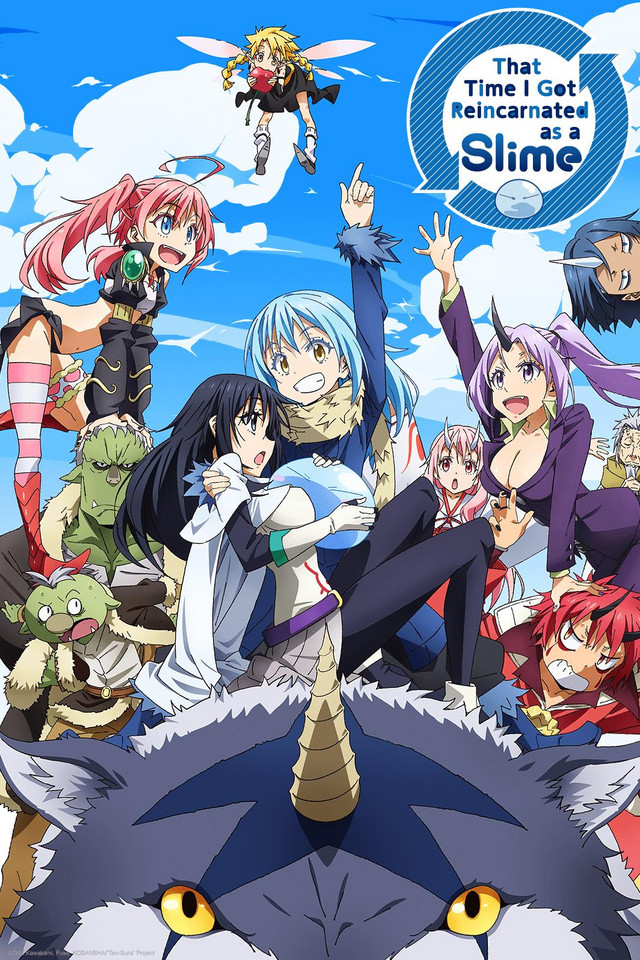
Episode 2 ended with a soft yes. Episode 3 asks whether that yes can hold a line when fangs arrive at night. That Time I Got Reincarnated as a Slime Season 1 Episode 3 — “Battle at the Goblin Village” — is where Rimuru Tempest stops promising protection and starts building it: training, traps, a boss fight, names that rewrite bodies, and the first real spark of comic goblin soldier energy from faces like Gobta. Stay for the direwolf clash. Stay for the naming fallout. Stay if you want to know whether Episode 3 is the payoff Episode 2 earned.
Hook
A village without a guardian is just a buffet with spears. Episode 3 opens on that math. The Storm Dragon’s shadow is gone, the forest’s predators smell opportunity, and the goblins who begged Rimuru for help are about to learn what “I’ll protect you” costs in practice — walls, drills, and a slime who treats strategy like homework.
Then the episode does the thing Tensura does best: it turns a clean victory into a new problem. Rimuru wins. Rimuru names. Rimuru accidentally invents a stronger community overnight and wakes up to logistics. Leadership is not a speech. It is magicules spent, sleep forced, and a village that suddenly needs clothes that fit.
That is why Episode 3 matters beyond “cool wolf fight.” It is the first Tempest proof-of-concept: power used for other people, naming used as policy, comedy used as pressure relief after real stakes. The question this page answers is simple: after Episode 2’s promise, does Tensura deliver a battle episode that still feels like character — not just a power-fantasy demo reel?
Quick Information
- Anime: That Time I Got Reincarnated as a Slime (Tensei Shitara Slime Datta Ken)
- Season / Episode: Season 1, Episode 3
- Japanese episode title: ゴブリン村での攻防 (“Battle at the Goblin Village”)
- Runtime: about 24 minutes
- Studio: 8bit
- Genres: Fantasy, Adventure, Isekai, Comedy
- Original air date: October 16, 2018
- Kagex score: 8.7 / 10
- Where to watch legally: Crunchyroll (availability can vary by region)
- Characters unlocked / spotlighted here: Rimuru, Rigurd, Rigur, Gobta (comic energy arrives hard after the win)

Should You Watch It?
If Episode 2 hooked you on the goblin plea, Episode 3 is the continue you want. It keeps Rimuru’s soft heart, then puts steel threads and battlefield comedy around it. You do not need light novel homework. You do need Episode 2’s setup so the village stakes feel earned.
Is it worth watching? Yes — this is the first full “Rimuru as field commander” episode. Training montages, the direwolf assault, the boss Predation beat, and the naming sequence are franchise foundation. Skip it and you skip why the goblin village suddenly feels like home instead of a side quest.
Is it slow? Not really. Prep takes minutes, then the fight arrives. If anything, the post-battle naming and evolution aftermath is the denser half — more talking, more world rules, more “wait, what did I just do?” If you only wanted continuous combat for twenty-four minutes, the back half will feel like aftermath management. That aftermath is the point.
Is it beginner friendly? Yes after Episodes 1–2. Character names start locking in here for real — click Rimuru, Rigurd, Rigur, and Gobta when faces start multiplying. Veldora is mostly present by absence and memory, which fits.
Who will enjoy it? Fans of underdog defense arcs, naming/power-system payoffs, and leadership stories that stay funny. Viewers who hate “OP protagonist solves everything” should still watch — Rimuru wins, but the cost and comedy of winning are the episode’s personality.
Bottom line: watch it. Episode 3 is where Tensura’s nation-seed stops being a promise and becomes a place with survivors, names, and a slime who already needs a nap.
Spoiler Warning
Spoilers for Season 1 Episode 3 follow. Stop above if you want a clean first watch. No Episode 4+ plot beyond what this episode itself sets up.
Story Recap
Ordinary Life (training day)
Rimuru’s new “ordinary” is village prep. Spears, formations, a crude defensive line — the goblins are sincere and under-equipped, which is exactly why the episode spends time on drills instead of pretending aura alone is a wall. Rigurd’s elder energy and Rigur’s younger fighter silhouette make the stakes personal: this is a family asking a slime to turn panic into a plan.
Great Sage stays the calm optimizer. Rimuru stays the soft boss who still wants everyone alive. The mood is tense-cozy — comedy in the training, dread in the calendar. Night is coming, and everyone knows it.
Unexpected Incident (the pack arrives)
The direwolves do not send a polite letter. They hit the village as a coordinated predator clan looking to replace the forest’s old scarecrow hierarchy. Goblin courage meets fang speed. Traps and steel-thread logic matter because the pack is not a tutorial mob — numbers are the threat.
Rimuru’s job shifts from coach to frontline problem. The episode is careful to show goblins actually fighting, not only cheering. That matters later when naming turns them into something stronger: you saw them try as they were.

New World (boss down, pack rewritten)
The direwolf boss fight is the episode’s action thesis. Rimuru does not win by becoming a generic sword hero; Predator and analysis stay the toolkit. Devouring the boss is both combat and recruitment politics — the pack’s chain of command breaks, then Rimuru fills the vacuum with menace, presence, and a very Tensura demand: stop killing the villagers and work with them.
Suddenly the battlefield is a merger. Former enemies sit in the same village economy. Friendship-is-power would be a joke if the episode had not just shown the cost of the opposite. Rimuru’s “get along” order is leadership by exhausted practicality.
First Discovery (names are expensive)
Convenience becomes catastrophe — in the good way. Rimuru names goblins because pointing and saying “hey you” does not scale. The elder becomes Rigurd. The younger fighter line locks as Rigur. The pack gets names too, including a new leader who will matter for travel and loyalty. Rimuru treats naming like labeling folders. The world treats naming like evolution fuel.
Magicules drain. Shape fails. Sleep takes Rimuru for days. Episode 3’s smartest joke is also its cleanest world lesson: kindness with system weight still has a bill. Veldora’s earlier naming tutorial finally shows its public-side consequences.
Important Encounter (wake up to Tempest energy)
Rimuru wakes to a remodeled cast. Goblins have evolved — hobgoblin / goblina silhouettes, better bodies, louder personalities. This is where Gobta’s comic soldier energy starts registering as a face you will keep noticing: earnest, chaotic, weirdly lovable, and very “I work here now.” Leadership solidifies not through a coronation speech, but through aftermath logistics — clothes, housing, who answers to whom, and Rimuru realizing the village is a project with a payroll of loyalty.
The episode closes less like a boss-clear screen and more like a nation tutorial complete: you protected them, you named them, and now you are responsible for what they became.
Story Analysis
Episode 3’s job is payoff-plus-seed, and it lands both. The battle cashes Episode 2’s promise. The naming aftermath plants Season 1’s real addiction loop: Rimuru solves a crisis, creates a bigger community problem, then has to grow into the solution.
Pacing is front-loaded with prep, mid-episode with combat clarity, then deliberately social for the naming and wake-up. That third act will frustrate pure action chasers. For Tensura’s identity, it is correct. The show is not only “slime fights wolf.” It is “slime accidentally founds a people.”
Emotional impact sits in the goblins’ before/after. Watching underfed villagers hold a line is sweeter than any aura blast. Watching them celebrate names — then wake stronger — sells found-family without a speech about found-family.
Comedy stays character-based: training mishaps, Rimuru’s casual naming, the magicule crash nap, Gobta-adjacent goof energy after evolution. It never undercuts the night assault’s danger. That balance is why Episode 3 feels like the series’ weekly format locking in.
Theme is responsibility with receipts. Rimuru’s soft yes becomes steel thread. Rimuru’s convenience naming becomes evolution. Power without logistics is just a highlight reel; Episode 3 insists on the laundry list after the win.
Character Analysis
Rimuru Tempest — coach, predator, accidental mayor
Episode 3 upgrades Rimuru from “kind stranger” to “person whose decisions rewrite demographics.” Personality stays intact — polite, lonely-kind, slightly chaotic about consequences — but motivation is now explicitly communal. Defeating the boss is competence. Naming everyone is the Satoru soft heart meeting monster-world mechanics. Full guide: Rimuru Tempest explained.
Rigurd and Rigur — first citizens with names
Rigurd remains the elder face of trust and gratitude; naming makes him readable as a permanent Tempest pillar instead of “goblin chief #1.” Rigur keeps the younger fighter stake in the same household. Together they turn the village from quest board into family roster. Guides: Rigurd explained · Rigur explained.
Gobta — comic energy unlocked
Gobta is the post-battle personality spike: not the strategist, not the elder — the goblin soldier vibe that makes the village feel lived-in and funny. Episode 3 is where that energy becomes a reason to keep watching the little guys, not only the slime. Guide: Gobta explained.
Veldora Tempest — the missing umbrella
Veldora barely needs screen time. The direwolf invasion is the consequence of his absence; Rimuru’s naming is the echo of their cave promise. Episode 3 keeps proving Episode 2’s geopolitics without dragging the dragon back on camera. Guide: Veldora Tempest explained.

World Building
Episode 3 teaches rules Season 1 will keep spending. First, predator vacuums invite conquest — remove a great power and mid-tier packs try to sit the throne. Second, Predator is politics — eating a boss can rewrite a pack’s loyalty map, not only a skill list. Third, names evolve monsters — Rimuru’s folder labels are bloodline upgrades with a magicule price and a sleep timer.
The Jura Forest feels more like a contested biome than a pretty backdrop. Goblins and wolves sharing one village reframes “monster races” as workable coalitions under a named leader. For a third episode, that is dense civic fantasy delivered through plot, not slides.
Also note the logistics turn: evolution creates bodies that need clothes and housing at new sizes. World-building is not only ancient seals — it is “who sews the pants now?” Tensura’s charm is taking that question seriously enough to drive the next journey.
Animation Review
Studio 8bit keeps Episode 3 readable under night-raid chaos. Wolf motion and trap beats stay clear; Rimuru’s Predator climax is staged for comprehension more than empty flash. Goblin designs sell poverty-to-post-evolution glow-up without needing a lore pop-up. The naming sequence’s comedy timing — casual slime, catastrophic system cost — depends on facial acting and pacing more than sakuga density.
If you judge only by continuous fight spectacle, Episode 3 shares time with aftermath. If you judge by staging and tonal control, the battle-to-nap-to-wake arc is cleanly directed.
Music and Voice Acting
Weekly OP/ED branding — “Nameless Story” and “Another colony” — keeps the show feeling like a series habit. Battle cues tighten for the pack assault; softer motifs return for naming tenderness and wake-up comedy. Voice work sells the pivot hard: Rimuru’s coach mode, Rigurd’s gratitude dialed to eleven, Gobta’s emerging comic register, and the pack’s post-subjugation loyalty. The cast chemistry is why “I named you for convenience” lands as both joke and myth.
Hidden Details
Episode 3 hides future structure in plain sight. Rimuru’s inability to stop at “good enough defense” — naming everyone, absorbing a pack, inventing riders-in-spirit — is the leadership bug/feature that will keep expanding Tempest. The magicule crash is a soft tutorial that naming is not free flavor text. The clothes-and-shelter problem after evolution is a quiet genre flex: power fantasy that immediately owes rent.
Also notice how little Rimuru understands the naming economy until the nap. The audience gets the system joke slightly ahead of the protagonist. That information gap is Tensura’s recurring delight: Rimuru changes the map, then reads the map.
Rewatch the training scenes after the evolution wake-up. The episode wants you to remember they were already trying. Strength did not invent courage; it rewarded it.
Best Moments
Village training. Soft heart meets drill sergeant lite — the series thesis in warm-up form.
Night assault clarity. Numbers, traps, and fear without turning goblins into pure spectators.
Boss Predation and pack rewrite. Combat as merger negotiations.
Naming Rigurd, Rigur, and the crew. Convenience that becomes canon.
The magicule nap. Funniest bill in early Season 1.
Wake-up to Gobta energy. The village suddenly has a personality roster, not only a survival problem.
Pros and Cons
Pros: satisfying Episode 2 payoff, clear leadership upgrade for Rimuru, iconic naming/evolution beat, strong Rigurd/Rigur/Gobta cluster, comedy that respects stakes.
Cons: Rimuru is heavily favored in the boss fight (by design); post-battle talkiness may feel soft if you wanted pure continuous combat; logistics setup is intentionally unfinished.
Final Verdict
Season 1 Episode 3 is a high-value continue and an early-season peak for Tensura’s identity. It is not only a battle episode — it is the episode where protection becomes policy and names become nation-seed. For Kagex Blog, that is an 8.7: sharp payoff, funny cost, and a village that finally feels worth defending on purpose.
- Story: 8.8 / 10
- Characters: 8.9 / 10
- Animation: 8.2 / 10
- Music: 8.4 / 10
- Enjoyment: 8.8 / 10
- Overall: 8.7 / 10
Recommendation: watch immediately after Episode 2. If the naming aftermath makes you grin and worry at the same time, you are in the correct series.
What to Expect Next
Episode 3 leaves Rimuru with a stronger village and a practical shortage — evolved bodies need gear and builders. Expect the story to push outward from defense into travel and new contacts, without this page spoiling who or how. If Episode 3 made you care about Rigurd’s people and Gobta’s chaos, keep going: the next episode has to answer what a slime mayor does when home base needs infrastructure, not another night raid.
FAQ
Is Episode 3 worth watching?
Yes. It is the direwolf payoff plus the naming/evolution foundation of early Tempest.
What is the Japanese title?
ゴブリン村での攻防 — “Battle at the Goblin Village.”
When do the goblins get names?
In Episode 3, after the battle — including Rigurd and Rigur as locked identities.
Who is Gobta?
A goblin with rising comic soldier energy after the village’s post-naming glow-up. Full page: Gobta explained.
Is Episode 3 action-heavy?
Yes in the middle. The back half is aftermath, naming, and wake-up comedy/world rules.
Do I need Episodes 1–2 first?
Yes. Episode 3 pays off the goblin plea and Veldora-absence geopolitics.
Where can I watch it legally?
Crunchyroll is the common legal home; check your region.
Does Rimuru fight alone?
Rimuru is the decisive force, but goblin training and traps are part of the defense — the village is not pure audience.
Keep exploring
- Episode 2 review
- That Time I Got Reincarnated as a Slime — anime hub
- Tensura Season 1 review
- Full series review
- Browse seasons & episodes
- Tensura characters & powers
- Rimuru Tempest explained
- Veldora Tempest explained
- Rigurd explained
- Rigur explained
- Gobta explained
- Episode 4 review — coming soon
Your turn
Did the night battle or the naming nap hit harder for you? Which face are you clicking first after the glow-up — Rigurd, Rigur, or Gobta? What score would you give Episode 3, and are you continuing straight into Episode 4?