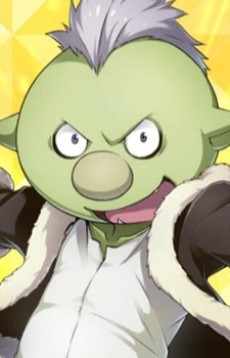
Gobta is Tempest’s lovable idiot savant — a goblin soldier who looks like comic relief, trains under a demon sword grandpa, and somehow keeps surviving missions that should erase him. If you searched Gobta after laughing at a failed flex, stay: there is a real character under the slapstick. This guide covers who he is, what he can actually do, and why Rimuru keeps him in the roster.
Quick information
- Role: Goblin rider / junior officer; comic lead among Tempest troops
- Also known as: Gobta; Tempest’s unlucky mascot soldier
- First appearance: Season 1 Episode 1–2 era (goblin village founding)
- Voice: Asuna Tomari (JP) · Ryan Reynolds (EN)
- Series: That Time I Got Reincarnated as a Slime
Who is Gobta?
Gobta is one of the early goblins transformed by Rimuru’s naming of the village. While Rigurd becomes bureaucratic mayor energy and other goblins settle into jobs, Gobta drifts toward soldier life with more enthusiasm than planning. He is small-fry in a cast of Demon Lords and kijin generals — and that is exactly why he works. Tensura needs a ground-level viewpoint that still gets dirt on its boots.
He becomes the audience’s pressure valve. When politics get dense, Gobta faceplants. When training arcs get serious, Gobta cries and continues. When Tempest looks invincible, Gobta reminds you most citizens are not Rimuru. That contrast keeps the nation-building fantasy from floating away into pure aura farming.
Importantly, Gobta is not only a punchline. Hakurou’s training puts real technique in his hands. Pairing with wolves and tougher allies lets him contribute in fights where guts matter. He is the “everyman monster” who still clocks in. See related faces on the characters index.
Gobta also protects the show’s sense of scale. If every speaking soldier is secretly a continent-buster, threat inflation becomes mush. Gobta’s panic face is information: this enemy is scary to normal Tempest citizens. That makes Rimuru’s interventions and the officers’ victories readable again. Comedy characters can be structural like that when writers use them well.
There is a fan habit of calling Gobta useless. It misses the job. He is not cast to win Walpurgis. He is cast to be the goblin who tries, fails, learns a fraction, and tries again while legends walk past. In a series about naming the weak into futures, Gobta is the ongoing demo unit — still flawed, still improving, still employed.
Personality
Gobta is boastful, cowardly, brave, lazy, and loyal — sometimes in the same scene. He talks big, folds when aura monsters appear, then still charges because Rimuru or Hakurou expects better. That oscillation is the joke and the heart. He wants glory without homework, then does the homework badly until it sticks.
He is also socially sticky: friends with wolves, terrified of teachers, eager for Rimuru’s praise. In a cast of cool officers, Gobta is allowed to be embarrassing. Fans project onto that more than they admit.
Gobta’s cowardice is honest rather than mean. He does not sell out friends to save himself as a personality trait; he flinches, complains, and still ends up in the formation. That pattern is closer to real conscript energy than most “brave hero kid” side characters get. Tensura uses it for laughs, then occasionally pays it off with a competent assist that feels huge because the baseline is chaos.
If you have ever been the least built person in a raid group who still showed up on time, Gobta is your representative in Rimuru’s cabinet. The show never pretends he is secret royalty. It pretends — correctly — that nations need those people too.
Powers & skills
Gobta’s strength is relative. He will not outshine Benimaru. He can still become dangerous for a goblin-tier fighter through training and gear.
Core abilities
- Goblin fighter basics: Spear/sword work, riding, squad skirmish roles.
- Hakurou’s training: Actual technique layered onto comic panic — the secret sauce.
- Wolf partnership: Mobility and bite support when paired with Tempest’s canine units.
- Named goblin durability: Early evolution keeps him relevant past Episode 2 fodder status.
Evolutions & forms
Gobta’s glow-ups are smaller than the kijin cast’s, and that is fine. His arc is competence creep: less dying immediately, more “wait, did Gobta just land that?” moments. Later gear and responsibilities raise his floor without pretending he is Demon Lord adjacent. Think of him as Tempest’s reminder that “named” does not always mean “finished growing” — sometimes it means “still employed and still mid training arc.”
Role in the story
Gobta is Tempest’s comic through-line and a measuring stick. If Gobta is terrified, the threat is real. If Gobta contributes, the underdogs are growing. Story structure uses him for reconnaissance gags, training arcs with Hakurou, and battlefield color that keeps wars from becoming only general-versus-general slides.
He also softens Rimuru. A protagonist who remembers the goofy spear kid while negotiating with kings still feels like the same slime from Episode 1. That continuity matters across seasons. Context: Episode 1 review and Season 1 review.
The Hakurou–Gobta plotline is also one of Tensura’s best excuses for training arcs that do not freeze the plot. You get discipline comedy, occasional payoff hits, and a mentor/student bond that does not require tragic flashbacks every time. It is light, repeatable, and weirdly wholesome for a show that also does genocide arcs.
So yes — laugh at Gobta. That is allowed and intended. Just notice what the laughter is doing: keeping Tempest’s streets populated with people who are not demigods. In a power-fantasy economy, that is almost radical. He is proof Tempest still has a street level. When the series zooms out to Demon Lord politics, Gobta is the zoom-back-in button — a reminder that Rimuru’s dream was always for the small fries first.
Relationships
- Rimuru Tempest: Boss and hero; Gobta wants praise almost as much as he wants nap time.
- Hakurou: Terrifying mentor who forges Gobta into a slightly less doomed soldier.
- Ranga: Wolf ally / riding partnership energy on missions.
- Benimaru: Superior officer Gobta both fears and tries to impress.
- Shion: Chaos peer pressure; different weight classes, shared volume.
- Souei: Professional contrast; Gobta is what happens without Souei’s discipline.
- Milim Nava: Walking panic trigger; Gobta’s face when Demon Lords appear is archival footage.
Best moments
Gobta’s early village bravado is classic weak-monster comedy. Hakurou training sequences hurt to watch in the best way. Mission reports where Gobta almost gets it together are oddly wholesome. And rare clean hits in real battles feel bigger than some overpowered beam clashes because the show made you earn belief in him. Keep an eye on wolf-ride skirmishes too — mobility plus panic yelling is Gobta’s accidental signature genre.
FAQ
How strong is Gobta?
Low-to-mid Tempest soldier tier — stronger than nameless fodder, nowhere near the officer monsters. His win condition is teamwork, training, and not freezing.
When does Gobta first appear?
Right at the start of Season 1 with the goblin village Rimuru founds after leaving the cave.
Is Gobta useless?
No. He is unreliable as a solo ace and useful as a trained scout/soldier with heart. The meme exaggerates the failure rate.
Should I know about Gobta before watching?
No. He is designed as an early recurring face you grow into.
Why does Hakurou train Gobta?
Potential plus proximity plus Hakurou’s teacher instinct. Also comedy gold — which Tensura never apologizes for.
Is Gobta important to the plot?
Not as a throne-room strategist. Yes as tone, continuity, and proof that Tempest’s lower ranks still matter on screen.
Keep exploring
Your turn
Is Gobta peak comfort character or peak cringe mascot for you? Favorite training fail? Want more goblin-rank guides, or back to Demon Lord problems?