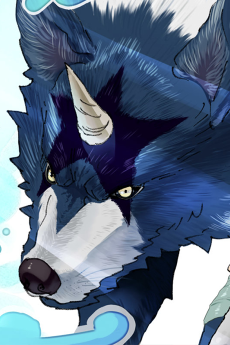
Ranga is Rimuru’s storm-wolf partner — the direwolf pup who gets a name, a glow-up, and a permanent place in the protagonist’s shadow (sometimes literally). If you showed up for cute monster loyalty and stayed for black lightning cavalry charges, this page is for you. Here is who Ranga is, how the powers work, and where the wolf sits in Tempest’s hierarchy.
Quick information
- Role: Named direwolf lieutenant; Rimuru’s partner / mount / shock troop
- Also known as: Ranga; Tempest wolf; star-wolf evolution line
- First appearance: Season 1 early episodes (direwolf arc)
- Voice: Chikahiro Kobayashi (JP) · Tyson Rinehart (EN)
- Series: That Time I Got Reincarnated as a Slime
Who is Ranga?
Ranga begins as a direwolf tied to the pack that tests Rimuru’s early village. The conflict could have ended as another monster purge. Instead Rimuru names the pack into Tempest’s first real beast corps, and Ranga becomes the emotional face of that choice. A named wolf who adores Rimuru is both adorable and strategically huge: cavalry, scouting senses, and a loyal commander for wolf units.
Ranga’s whole identity is “earned family.” He is not a summoned pet from a gacha menu. He is a former enemy lineage rewritten by naming and trust. That mirrors Tensura’s thesis better than half the Demon Lord speeches later. When Ranga rides into battle with Rimuru, the show is saying the slime’s nation runs on converted threats.
He also remains one of the most visually readable power curves in the cast — bigger, stormier, more majestic as arcs continue — without needing twelve titles explained per episode. More characters live at the characters index.
Ranga also solves a staging problem. Rimuru is a slime; travel, chase scenes, and “hero rides into battle” grammar need a body that can gallop. The wolf partnership lets the show keep classic adventure blocking while the protagonist remains a blob or small humanoid. Practical? Yes. Still emotionally loaded? Also yes, because the mount is a person with opinions and pride.
There is a reason wolf-partner characters endure across fantasy media. Loyalty reads instantly. Ranga weaponizes that shorthand, then adds Tempest-specific storm flavor so he is not generic. When black lightning crawls across his fur, you are not watching “dog go;” you are watching Rimuru’s early diplomacy pay combat dividends.
Personality
Ranga is earnest, formal with Rimuru, and quietly proud. Speech patterns lean loyal-retainer: report, await orders, express joy at being useful. Around Rimuru he is soft; around enemies he is a storm front with teeth. He gets sulky if left out of missions, which is funny until you remember he can delete a squad.
Pack leadership instincts stay intact. Ranga wants Rimuru’s approval and the wolves’ cohesion. That combination makes him a stable officer even when the humanoid cast is arguing about hot springs budgets.
Compared with humanoid subordinates, Ranga’s devotion is simpler and somehow less embarrassing. He does not need secretary titles or political marriages. He needs missions, praise, and proximity. In a cast that can get entangled in court vibes, that simplicity is refreshing. It also makes betrayals-from-within stories less likely to use him as the twist — Ranga’s alignment is not a puzzle.
When Tempest celebrates, Ranga celebrating lands differently than another toast from a kijin general. The wolf was there before the capital looked like a capital. He is living memory of the forest phase, still serving in the federation phase without nostalgia slowing his bite.
Powers & skills
Ranga’s kit blends beast mobility with storm damage inherited through Rimuru’s orbit.
Core abilities
- Direwolf / star-wolf combat: Speed, fangs, pack tactics, battlefield mobility.
- Black lightning: Signature storm offense that makes him more than a mount.
- Shadow storage recall: Often stays close via Rimuru’s shadow-linked convenience — comedy and tactics in one gimmick.
- Pack command: Leads wolf units as a named alpha under Rimuru.
Evolutions & forms
Ranga’s evolution path is one of the cleaner “name → power → cooler wolf” progressions in Season 1. Later stages keep raising storm output and stature. Exact late names are skippable here; what viewers feel is the pet becoming a lieutenant without losing the pet love. That balance — still a partner you want to pet, still a weapon enemies should fear — is harder to write than it looks, and Tensura mostly sticks the landing.
Role in the story
Ranga is proof of concept for Rimuru’s naming strategy. Convert enemies, grant futures, receive loyalty and military value. Early Season 1 uses him to show that monster diplomacy can outclass extermination. Later, Ranga becomes a standard answer to “who rides with Rimuru when things get loud?”
He also keeps the protagonist from looking isolated. Even when officers are busy, Ranga’s presence says Rimuru still has a partner who chose him in the forest, not only in a throne room. Pair with the Episode 1 review and Season 1 review for the early nation context.
As Tempest’s roster explodes with kijin, demons, and visiting disasters, Ranga remains a through-line to the show’s first chapters. That continuity is underrated. New viewers meet a wolf pup story; long-time viewers still see the same loyalty at a larger scale. Few side characters get to grow that cleanly without a personality rewrite.
If you like monster partners more than humanoid politics, Ranga is the Tensura character who never makes you apologize for that preference. He is cute, then terrifying, then cute again — and somehow the tonal flips feel earned because the loyalty never flips with them. Good wolf. Great lieutenant. If Tempest ever feels too much like a humanoid political drama, Ranga’s storm howl is the quickest way back to the monster fantasy that sold the pilot.
Relationships
- Rimuru Tempest: Master and beloved; the center of Ranga’s loyalty universe.
- Veldora Tempest: Storm kinship vibes; different scale, shared Tempest name-space.
- Gobta: Frequent field buddy energy; comedy missions included.
- Benimaru: Army coordination partner when wolves join larger wars.
- Souei: Fellow scout-adjacent asset with different methods.
- Milim Nava: Play-fight hazard; Ranga survives affectionately dangerous sparring cultures.
- Shion: Co-guardian proximity to Rimuru; volume levels differ wildly.
Best moments
The naming scene is the heart — a wolf becoming someone. Early battles where Ranga’s lightning announces Tempest’s new military reality slap. Shadow pop-outs for comedy timing are consistently funny. And any moment Ranga gets praised by Rimuru is character heroin for the loyal-monster audience, no shame. Pack-leadership beats — rallying wolves, holding a flank, waiting in the shadow until called — are the quieter best moments that reward rewatches.
FAQ
How strong is Ranga?
High among Tempest’s beast units and strong enough to matter in officer-tier fights, still generally below Rimuru and Demon Lord guests like Milim. His tactical value (mobility + pack + lightning) is as important as raw rank.
When does Ranga first appear?
Early Season 1 during the direwolf conflict that follows the goblin village founding.
Is Ranga just a pet?
Emotionally yes; institutionally no. He is a named lieutenant and pack commander.
Should I know about Ranga before watching?
No. His introduction is one of Season 1’s cleanest onboarding arcs.
Why can Ranga use black lightning?
Connection to Rimuru’s storm-linked growth and naming evolution path — the anime frames it as part of his powered-up wolf identity under Tempest.
Does Ranga talk?
Yes, after naming/evolution makes communication clear. The formal retainer voice is part of the charm.
Keep exploring
Your turn
Favorite Ranga form so far? Are you here for loyal wolf feels or lightning cavalry carnage? Which other Tempest beast or officer should we write next?