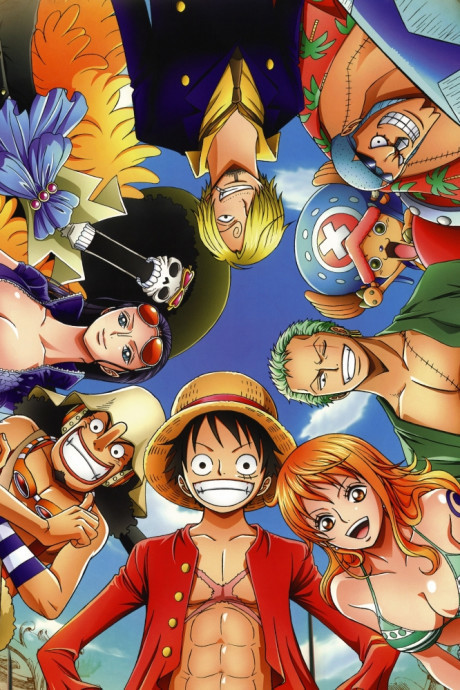
Episode 1 gave you a rubber captain with a dream. Episode 2 asks who is worth sailing with — and whether justice in a Marine town still looks like justice up close. One Piece Season 1 Episode 2 is where Monkey D. Luffy finds Roronoa Zoro crucified by corrupt power and decides that “pirate hunter” might still be crew material. Stay for Shells Town. Stay for the onigiri. Stay if you want to know whether East Blue Episode 2 is worth continuing.
Hook
Most adventure anime introduce the rival with a sparring match. One Piece introduces the first mate with a moral geometry problem: a dangerous man tied to a Marine cross for protecting civilians from a captain’s spoiled son. Zoro looks like a villain poster. The town’s fear says otherwise.
Luffy does not recruit with a résumé check. He watches how someone treats food thrown in the dirt. He watches who the weak people sneak rice to. He watches a Marine base worship a statue of its own tyrant. Episode 2 is early One Piece thesis in plain clothes — strength without kindness is just bullying with a rank.
So the question this page answers is simple: after a strong premiere, does Episode 2 still feel like the start of a legendary crew, or like dated TV padding before the “real” arcs? If you are bingeing East Blue in order, this is the door to the Straw Hat shape.
Quick Information
- Anime: One Piece
- Season / Episode: Season 1 (East Blue on-ramp), Episode 2
- Japanese episode title: 大剣豪現る!海賊狩りロロノア・ゾロ
- English episode title: Enter the Great Swordsman! Pirate Hunter Roronoa Zoro!
- Runtime: about 24 minutes
- Studio: Toei Animation
- Genres: Action, Adventure, Comedy, Fantasy
- Original air date: November 17, 1999
- Kagex score: 8.4 / 10
- Where to watch legally: Crunchyroll; Netflix (availability can vary by region)
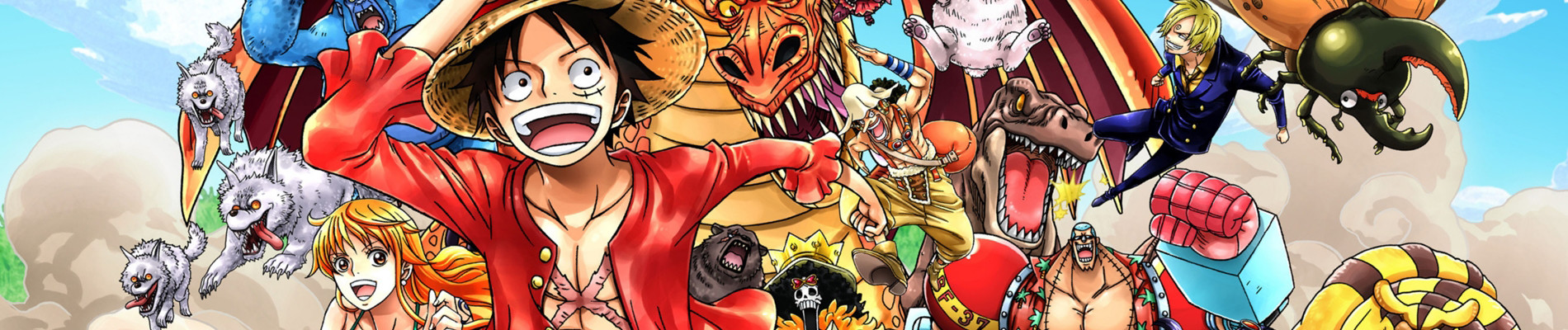
- Key character: Monkey D. Luffy
Should You Watch It?
If Episode 1 made you smile at Luffy’s stubborn joy, Episode 2 is required viewing — not optional lore. This is where the first crew chemistry starts forming, even before the final handshake lands. You meet Zoro, Helmeppo, Captain Morgan’s tyranny, and the civilian cost of fake “order.”
Is it worth watching? Yes. Skip it and you skip why Zoro matters beyond “cool swordsman design.” The Rika onigiri beat alone explains more about his honor than a fight monologue would.
Is it slow? Compared with modern Netflix pacing, mid-episode town exposition can feel talky. There is still infiltration, rubber chaos, and rising confrontation. Treat it as setup with teeth, not dead air.
Is it beginner friendly? Completely, as long as you watched Episode 1. No Grand Line homework. No filler detour. East Blue is teaching you the show’s values in small towns before the map explodes.
Who will enjoy it? Fans of found-family adventure, underdog morality plays, and crews built from weird loyalties. Who might bounce: viewers who want constant sakuga and hate 1999 TV staging — fair, but the writing still works.
Bottom line: watch it. Episode 2 is where One Piece stops being “Luffy’s origin short” and starts being a crew story.
Spoiler Warning
Spoilers for Season 1 Episode 2 follow. Stop above for a clean first watch. The Morgan confrontation continues into the next episode, so this page stays inside Episode 2’s own board.
Story Recap
Ordinary Life (a Marine town under a fist)
Luffy and Koby reach Shells Town, home of a Marine branch that should mean safety. Instead, the local weather is fear. Captain Morgan rules through intimidation, and his son Helmeppo treats citizens like props. Ordinary life here is surviving a man who thinks rank equals righteousness.
That setting matters. One Piece could have made Marines generic cops. Episode 2 immediately complicates the badge: some people join to help; some wear the uniform to bully. Koby’s dream sits in the same frame as Morgan’s statue ego, and the contrast is the point.
Unexpected Incident (the hunter on the cross)
They find Roronoa Zoro tied up at the base — the feared pirate hunter, displayed like a warning. A little girl named Rika sneaks in with onigiri. Helmeppo destroys the food for sport. Zoro still eats the dirt-stained rice later. That single choice is louder than any bounty number.
Backstory fills in fast: Helmeppo’s cruelty in town, a hostile animal used to terrorize people, Zoro intervening, and a rotten deal that was never going to be honored. The “unexpected” part for Luffy is not that Marines can be corrupt. It is that the so-called hunter looks more honorable than the law.
New World (Luffy’s recruitment logic)
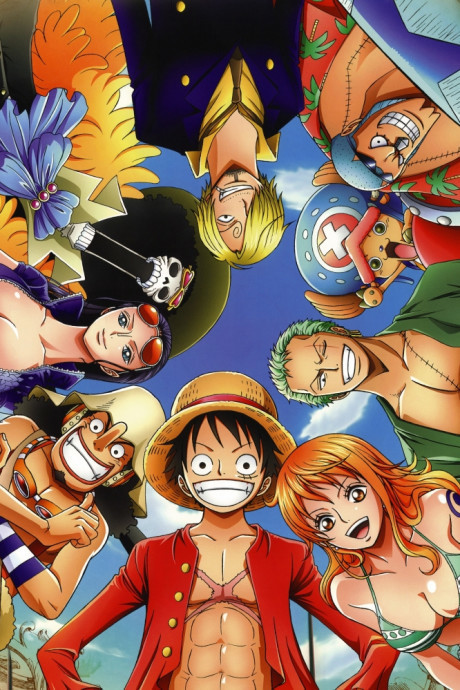
Luffy wants crew. Zoro wants freedom and his swords. Their interests collide into alliance before friendship speeches. Episode 2 teaches Luffy’s captain filter: he does not need polite people. He needs people who will not stomp the weak for fun.
Meanwhile, Shells Town becomes a microcosm of the later seas — civilians stuck between pirates and bad officers, kids carrying food into danger, and a base more interested in statues than protection. The “new world” here is political, not geographical.
First Discovery (the deal was a lie)
Helmeppo’s plan to execute Zoro anyway detonates the plot. Luffy’s response is physical and simple: liars who prey on the helpless get hit. He storms the base energy like a kid who has already decided the moral math. Retrieving Zoro’s confiscated katanas becomes the practical quest inside the righteous tantrum.
Rubber gags return — rocket launches, overshooting, statue destruction — but they serve infiltration chaos rather than empty slapstick. Luffy is funny because he is committed, not because the show is stalling.
Important Encounter (swords, pride, and a crew seed)
Episode 2’s climax is less a finished war than a locked trajectory: Zoro’s blades back in play, Morgan’s authority publicly insulted, and Luffy standing between a hunter and a rotten chain of command. A mysterious thief also slips through the base’s blind spots — a reminder that Shells Town’s chaos has more players than the camera fully introduces yet.
By the end, the first Straw Hat partnership is no longer theoretical. Whether the last punch lands this episode or the next, Episode 2 has already answered the casting call: Zoro belongs in the story because he protects people and keeps promises to himself.
Story Analysis
Episode 2 works as crew origin theater. It converts “I want friends” into “I choose this specific dangerous man because of how he treats a child’s rice.” That is sharper writing than a tournament invite.
Pacing splits town lore, flashback cruelty, and base infiltration. Some 1999 TV connective tissue is chatty. The tradeoff is clarity: you understand why Zoro is bound, why the town hates Helmeppo, and why Luffy will not walk away.
Emotional impact sits on small kindness under threat. Rika’s onigiri, Zoro eating dirt food, Koby’s fear of the institution he wants to join — these beats make the later fight feel earned.
Comedy stays physical: Luffy’s body as tool and disaster. It never fully undercuts Morgan’s menace, which is why the episode still has weight.
Theme is early One Piece gospel: justice without compassion is vanity. A Marine captain demanding worship is the opposite of the strength Shanks modeled in Episode 1.
Character Analysis
Monkey D. Luffy — captain by instinct
Episode 2 proves Luffy’s leadership is moral pattern recognition. He laughs, he hits, he refuses to negotiate with people who enjoy cruelty. Recruiting Zoro is not “collecting a strong guy.” It is recognizing a stubborn code that rhymes with his own. Guide: Monkey D. Luffy explained.
Roronoa Zoro — hunter with a civilian debt
First real impression: terrifying résumé, quiet honor. He endures punishment without begging, protects kids without speechifying, and treats a ruined meal as something still worth gratitude. Episode 2 sells why audiences fall for him before three-sword style becomes a meme.
Helmeppo, Morgan, Koby, Rika — the moral map
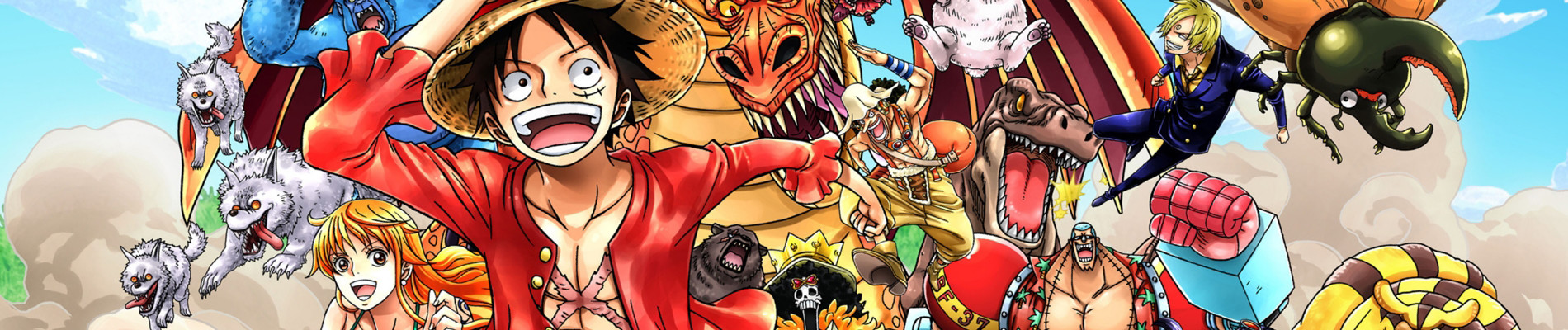
Helmeppo is spoiled violence. Morgan is institutional ego. Koby is the hopeful Marine stuck watching both. Rika is the civilian heart of the episode. Together they make Shells Town a values diagram, not only a fight stage.
World Building
Episode 2 teaches East Blue rules that the franchise will keep spending. Marines are not a monolith. Local branches can rot. Bounty hunters live in the gray between pirate and officer. Towns remember cruelty longer than speeches about order.
Shells Town also shows how power advertises itself — statues, titles, public punishments. One Piece’s world is theatrical on purpose. Authority wants to be seen. Luffy’s chaos is funny because it desecrates that theater.
Animation Review
Toei’s 1999 look is flatter and simpler than modern One Piece peaks. Judge Episode 2 on staging and character acting instead of fluid sakuga. Zoro’s crucifixion read is iconic silhouette work. Helmeppo’s smug face reads instantly. Luffy’s rubber movement is still inventive within TV limits.
Backgrounds sell a lived-in port town under pressure. Fight prep and chase gags are readable. If you came from Wano-era trailers, recalibrate: this is foundation animation for a weekly epic, not a movie pilot.
Music and Voice Acting
Early series music cues punch up tension and slapstick without modern trailer maximalism. Voice work is the real polish: Luffy’s loud sincerity, Zoro’s low stubbornness, Helmeppo’s punchable whine, Koby’s anxious hope. Kazuya Nakai’s Zoro already sounds like a man who would rather die upright than beg. That chemistry is why the crew seed feels inevitable.
Hidden Details
Episode 2 plants long-term One Piece habits in plain sight. Luffy judges people by how they treat the weak. Zoro’s pride is inseparable from gratitude. Marine corruption can be local and personal, not only world-government abstract. Also notice Koby watching: his dream is being stress-tested before he ever gets a proper uniform arc.
The base infiltration also hints that Shells Town’s chaos has room for other opportunists — thieves reading the same disorder Luffy crashes through. East Blue is already a board with multiple pieces moving.
Best Moments
Rika’s onigiri. Tiny kindness against institutional cruelty — peak early One Piece.
Zoro eating the ruined rice. Honor without a speech bubble lecture.
Helmeppo’s broken deal. The moment “law” reveals itself as a lie.
Luffy going after the swords. Recruitment as rescue mission.
Morgan’s statue ego. Visual comedy that is also political critique.
Pros and Cons
Pros: iconic Zoro introduction, clear moral thesis, strong Luffy captain instincts, civilian stakes, beginner-friendly crew origin.
Cons: 1999 TV polish; some exposition scenes feel dated; the Morgan clash is not fully closed in this runtime, so payoff-hungry viewers may feel held.
Final Verdict
Season 1 Episode 2 is essential East Blue. It is not as self-contained as Episode 1’s origin short, and that is fine — it is building a crew. For Kagex Blog, 8.4 reflects excellent character introduction with early-TV craft limits and a cliffhanger-shaped climax.
- Story: 8.5 / 10
- Characters: 8.8 / 10
- Animation: 7.6 / 10
- Music: 8.0 / 10
- Enjoyment: 8.6 / 10
- Overall: 8.4 / 10
Recommendation: watch right after Episode 1. If Zoro’s quiet honor clicks, you understand why people stay for a thousand episodes.
What to Expect Next
Episode 2 puts swords back in play and insults a tyrant’s authority. The next episode has to cash the confrontation check — Morgan, the base, and the question of whether Zoro sails. No heavy spoilers: if Episode 2 made you care about the hunter on the cross, keep going.
FAQ
Is One Piece Episode 2 worth watching?
Yes. It introduces Roronoa Zoro properly and starts the first crew alliance.
When does Zoro join Luffy?
Episode 2 makes the partnership inevitable and begins the rescue; the arc’s full payoff continues immediately after.
Who are Morgan and Helmeppo?
Corrupt Marine captain and his abusive son ruling Shells Town through fear.
Is Episode 2 action-heavy?
More infiltration and rising conflict than a finished war arc episode. Still active.
Should beginners watch in order?
Yes. Do not skip to famous later arcs.
Where can I watch it legally?
Crunchyroll and Netflix in many regions.
Is the animation too old?
It looks like 1999 TV. The character writing still hits.
Do I need manga knowledge?
No. Episode 2 is self-explanatory after Episode 1.
Keep exploring
- Episode 1 review
- One Piece — anime hub
- One Piece Season 1 review
- Full series review
- Browse seasons & episodes
- Monkey D. Luffy explained
- Episode 3 review — coming soon
Your turn
Did the onigiri scene or Luffy’s base chaos hit harder? When did you know Zoro belonged on the crew? What score would you give Episode 2?