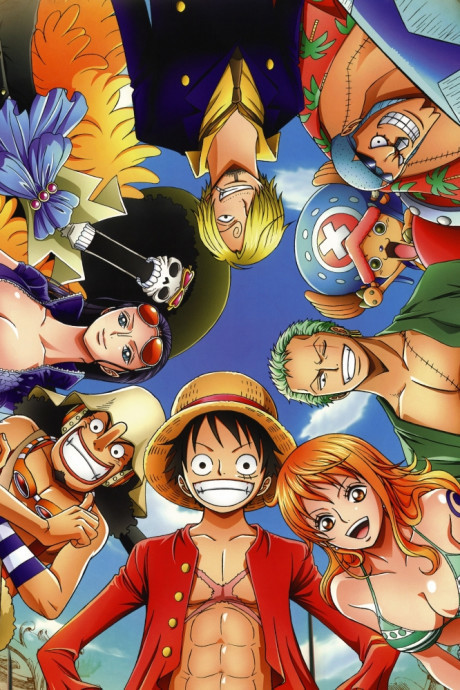
Can a rubber boy with a ridiculous dream still feel like the start of the biggest adventure anime ever made? One Piece Season 1 Episode 1 answers with a pilot that is loud, funny, a little sad, and completely clear about the promise: start here, not in the middle of the Grand Line. Stay for the origin. Stay for the first fight. Stay if you want to know whether East Blue is worth your time.
Hook
Most long-running shonen open with a training montage or a tournament poster. One Piece opens with a kid who ate the wrong fruit, a pirate captain who left a treasure and a scar of kindness behind, and a teenager who still believes he can become King of the Pirates with nothing but rubber limbs and stubborn joy.
Episode 1 is not trying to summarize a thousand episodes. It is trying to introduce a voice. Luffy laughs too loud. He fights like someone who does not know how to quit. He treats friendship as destiny before he has a crew. That personality is the franchise. Everything people quote later — loyalty, freedom, found family — is already humming under the slapstick.
So the question this page answers is simple: is Season 1 Episode 1 just an old-looking cartoon intro, or one of the cleanest “start here” pilots in adventure anime? If you are deciding whether to begin One Piece tonight, or you finished Episode 1 and want the recap explained properly, this review is for both of you.
Quick Information
- Anime: One Piece
- Season / Episode: Season 1 (East Blue on-ramp), Episode 1
- Japanese episode title: 俺はルフィ!海賊王になる男だ!
- English episode title: I’m Luffy! The Man Who’s Gonna Be King of the Pirates!
- Runtime: about 24 minutes
- Studio: Toei Animation
- Genres: Action, Adventure, Comedy, Fantasy
- Original air date: October 20, 1999
- Kagex score: 8.7 / 10
- Where to watch legally: Crunchyroll; Netflix (availability can vary by region)
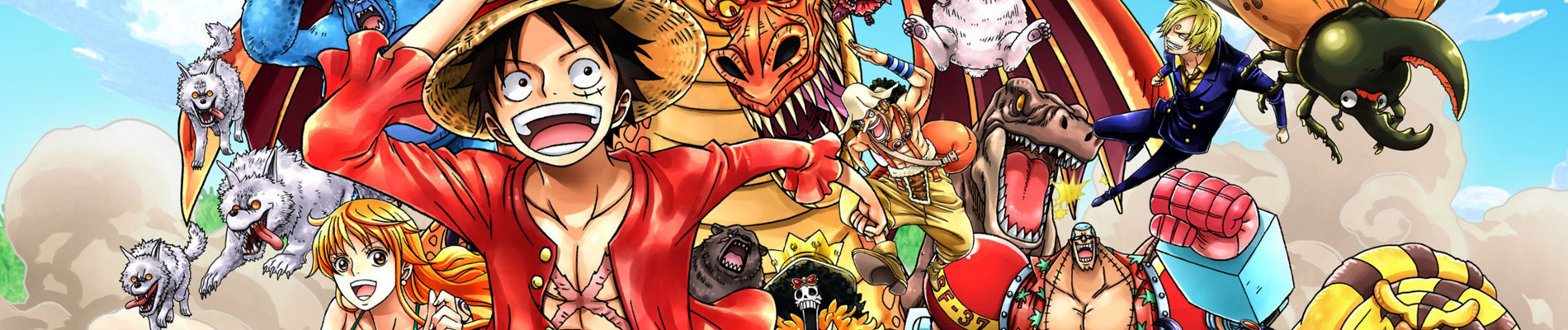
Should You Watch It?
If you have not started the series yet, Episode 1 is the correct door. It assumes almost no franchise knowledge. You meet Luffy as a child and as a young captain-to-be, learn what the Gum-Gum Fruit did to him, and leave understanding the show’s tone: cartoon violence that suddenly means something when kindness and courage show up.
Is it worth watching? Yes — especially if you like adventure anime more than pure tournament power-scaling. Episode 1 does not sell the whole New World. It sells a personality with a dream big enough to carry decades.
Is it slow? Compared with modern sakuga pilots, the 1999 look and pacing can feel older. There is still a fight, a rescue beat, and a declaration. If you need Ufotable-level polish in minute one, give the writing a fair shot before judging the whole ocean.
Is it beginner friendly? Extremely. No lore homework. No “watch this filler arc first.” Do not start at Water 7, Marineford, or Wano. Start at Episode 1.
Who will enjoy it? Fans of found-family adventure, underdog captains, slapstick that flips into sincerity, and long-form world-building that begins small.
Who might bounce? Viewers who want grimdark tone, hyper-modern animation only, or a tight 12-episode finish. Fair — One Piece is a commitment. Episode 1 is the taste test for whether Luffy’s energy works for you.
Bottom line for newcomers: watch Episode 1. If the dream speech and the fight for someone weaker than him make you smile, keep going through early Season 1. If nothing lands, try a couple more East Blue episodes before quitting — but do not skip ahead.
Spoiler Warning
Spoilers for Season 1 Episode 1 follow. If you have not watched yet and want a clean first viewing, stop after the section above. The rest of this page is for readers who want a recap, explanation, and deeper analysis of what Episode 1 sets up.
Story Recap
Ordinary Life
The episode grounds Luffy in childhood before the pirate flag ever feels inevitable. Young Luffy is loud, reckless, and desperate to be taken seriously by Red-Haired Shanks and his crew. He is not framed as a chosen prince. He is a kid who wants the sea, the freedom, and the respect that come with a pirate’s life — and he does not yet understand the cost.
Those early scenes do real work. They make later rubber gags possible. Without the childhood weight, “I ate a Devil Fruit” would only be a power demo. With it, the joke has a bruise: Luffy’s body changes forever because he would not listen, and the people around him still choose kindness afterward.
Unexpected Incident
Luffy eats the Gum-Gum Fruit. The accident is played for comedy — and then for consequence. He becomes rubber. He loses the ability to swim. The ocean he loves becomes something that can kill him if he falls in. Episode 1 is honest about that trade from the start: power with a hard limit, dream with a real price.
The mountain bandit confrontation and Shanks’ quiet refusal to escalate over ego become the emotional hinge. Luffy learns what strength looks like when it protects people instead of performing for them. That lesson is the real “origin power-up.”
Setting Sail
Years later, teenage Luffy leaves home with a straw hat that is not a fashion accessory — it is a promise. The episode does not need a long training montage. It needs a launch. Luffy’s boat, hunger, and absolute confidence that he will be King of the Pirates are the entire thesis of Season 1’s on-ramp.
This is where beginners should breathe. You do not need to know marine politics or ancient weapons. You need to know this captain starts with almost nothing and still talks like the ending is inevitable.
First Fight
Luffy crashes into Alvida’s crew and the scared cabin boy Coby. The fight is simple on purpose: rubber body versus bully pirates who think fear is leadership. Luffy does not win because he is the most polished fighter in the East Blue. He wins because he refuses the logic that weak people deserve contempt.
The comedy stays physical — stretching limbs, wild angles, cartoon timing — while the moral geometry stays sharp. Episode 1 already tells you what kind of pirate Luffy will be.
Important Encounter
Coby is the premiere’s quiet heart. He is terrified, practical, and stuck. Luffy treats Coby’s dream as real even when Coby barely dares to say it. That encounter matters more than the punchline fight. One Piece’s first episode is not only “hero gets powers.” It is “hero recognizes other people’s futures.”
By the end, Luffy’s path is clear: find a crew, chase the One Piece, become King of the Pirates. Episode 1 does not finish the map. It finishes the invitation.
Story Analysis
Episode 1 works because it sequences feelings correctly: wonder → consequence → launch → protectiveness. A lot of adventure pilots reverse that order and start with responsibility theater. One Piece earns the crown after the personality.
Pacing is brisk for a 1999 TV premiere. Childhood flashback, present-day sailing, confrontation, declaration — all in one episode without feeling like a trailer cut. Some modern viewers will call the animation dated. Fair. The structure is still clean pilot craft.
Emotional impact comes from contrast. Rubber comedy sits next to Shanks’ restraint. Luffy’s volume sits next to Coby’s fear. That rhythm keeps the jokes from becoming empty. You laugh, then you understand why kindness is the series’ real power system.
Comedy is physical and character-based, not a meme dump. Stretching is funny because Luffy treats it as normal. The world is already weird; the show does not apologize for it.
World-building stays practical. Devil Fruits have rules. Pirates have hierarchies. Marines exist as a destination for Coby. Episode 1 answers enough to satisfy and withholds enough to pull you into East Blue. That restraint is why this page can dig deep without spoiling later oceans.
Character Analysis
Monkey D. Luffy
First impression: not a dark antihero and not a blank self-insert. He is fearless to the point of stupidity, loyal before he has friends, and weirdly polite about other people’s dreams. His motivation in Episode 1 is not “get strong for revenge.” It is “become free enough to be King of the Pirates.” Personality arrives before polish — and that is why the pilot still works.
Shanks
Shanks is the premiere’s moral compass. He models a version of strength that does not need to crush every insult. The straw hat handoff is the episode’s legacy moment: trust transferred, not loot collected. Even in limited screen time, he teaches Luffy (and the audience) what kind of pirate story this will be.
Coby
Coby is the audience surrogate for fear. He shows what the East Blue does to people who cannot fight back — and what happens when someone like Luffy refuses that order. First impression: fragile, honest, important. Episode 1 uses him to prove Luffy’s dream includes other people.
World Building
Episode 1 introduces the One Piece world through small rules, not a textbook. Devil Fruits grant powers and take swimming. Pirate crews have captains, bullies, and scared kids. The East Blue feels local: coastal towns, small ships, cruel mid-bosses who think they own the horizon.
The larger mystery — the One Piece itself — is named as a destination, not explained as a wiki page. That is disciplined writing for Season 1 Episode 1 of a long franchise. You learn enough to sail, and enough to wonder what kind of sea waits beyond the next island.
Animation Review
Toei’s 1999 television look is older than modern One Piece peaks, and honesty matters here. Lines are thicker. Effects are simpler. The rubber gags still read clearly, which is the real job of Episode 1’s animation: make the body-comedy readable and the action legible.
Character acting carries more weight than spectacle. Luffy’s face sells joy and stubbornness. Shanks’ stillness sells authority. If you judge Episode 1 only as sakuga anime, you will underrate it. Judged as adventure staging and personality cartooning, it does the pilot job.
Music and Voice Acting
The premiere soundscape sells possibility: bright adventure cues, comedic stingers, and just enough sincerity under the jokes. Voice work is a major reason the episode lands — Luffy’s volume against Coby’s panic, Shanks’ calm against chaos. You do not need a lyric essay to feel what Episode 1’s audio is doing. It is selling a voyage that has not started yet, and a captain who already believes the ending.
Hidden Details
Episode 1 rewards attention without needing future spoilers. The swimming weakness is stated early so later ocean stakes make sense. Shanks’ refusal to fight over wine is a character thesis, not a throwaway gag. Coby’s dream is framed as legitimate before he can fight for it. Even Luffy’s hunger jokes foreshadow a series that treats appetite — for food, freedom, and friends — as personality.
Also notice how little the episode needs a complicated villain. Alvida’s crew is petty cruelty with a ship. That keeps the premiere focused on Luffy’s values instead of lore homework.
Best Moments
The Devil Fruit accident. Comedy with permanent consequence — a cleaner origin than a random power gift.
Shanks and the mountain bandits. Strength defined as protection and patience, not ego.
The straw hat promise. Legacy without a speech lecture.
Luffy meeting Coby. The first proof that this pirate story is about freeing people, not only collecting treasure.
Pros and Cons
Pros: crystal-clear series identity, beginner-friendly setup, strong moral geometry under the slapstick, clean “start here” structure, memorable dream declaration.
Cons: 1999 TV animation will not wow spectacle-first viewers; some tones flip fast from silly to sincere; the wider world is barely sketched, so impatient fans may feel the “real story” is still loading.
Final Verdict
Season 1 Episode 1 is a near-perfect soft landing for a long-running adventure. It does not summarize the franchise. It introduces a voice — joyful, stubborn, protective — and asks whether you want to keep sailing. For Kagex Blog, that is enough to call it a strong premiere and an easy recommend for the right viewer.
- Story: 8.8 / 10
- Characters: 9.0 / 10
- Animation: 7.8 / 10
- Music: 8.4 / 10
- Enjoyment: 9.0 / 10
- Overall: 8.7 / 10
Recommendation: start here. If Luffy’s energy makes you smile, One Piece is for you. If you only want modern polish, sample early East Blue before quitting — but know Episode 1 is intentionally about character and invitation, not a fake late-arc trailer.
What to Expect Next
Episode 1 mainly introduces Luffy, the Devil Fruit rule, and the first rescue impulse. The next episode continues the East Blue path and expands the adventure beyond this first fight. No spoilers — just this: if Episode 1 made you care about the rubber captain, Episode 2 tests how far that stubborn kindness can travel.
FAQ
Is One Piece Episode 1 worth watching?
Yes. It is a complete mini-arc: origin, launch, fight, and dream declaration. You get the tone of the whole show in one sitting.
Should beginners start at Episode 1?
Yes. Always. Do not start mid-series, at a movie, or at a famous war arc.
Is the animation too old?
It looks like 1999 TV anime. The storytelling still works. Later arcs get flashier; Episode 1’s job is personality.
Is it funny?
Yes — physical comedy and character reactions more than rapid-fire parody.
Is it action-heavy?
There is a clear fight, but the premiere spends equal time on origin and values.
Where can I watch it legally?
Crunchyroll and Netflix carry One Piece in many regions. Check your local catalog.
Do I need to read the manga first?
Not required. The anime premiere is self-explanatory.
How long is Season 1 / East Blue?
The East Blue on-ramp runs many episodes after this premiere. Treat Episode 1 as the door, then continue in order.
Is One Piece Episode 1 good for adventure fans?
Yes, if you like found-family voyages and underdog captains more than grimdark fantasy.
Keep exploring
- One Piece — anime hub
- One Piece Season 1 review
- Full series review
- Browse seasons & episodes
- Episode 2 review — coming soon
Your turn
What was your favorite moment from Episode 1? Did Luffy’s dream speech make you want to continue? What rating would you give this episode — and why?