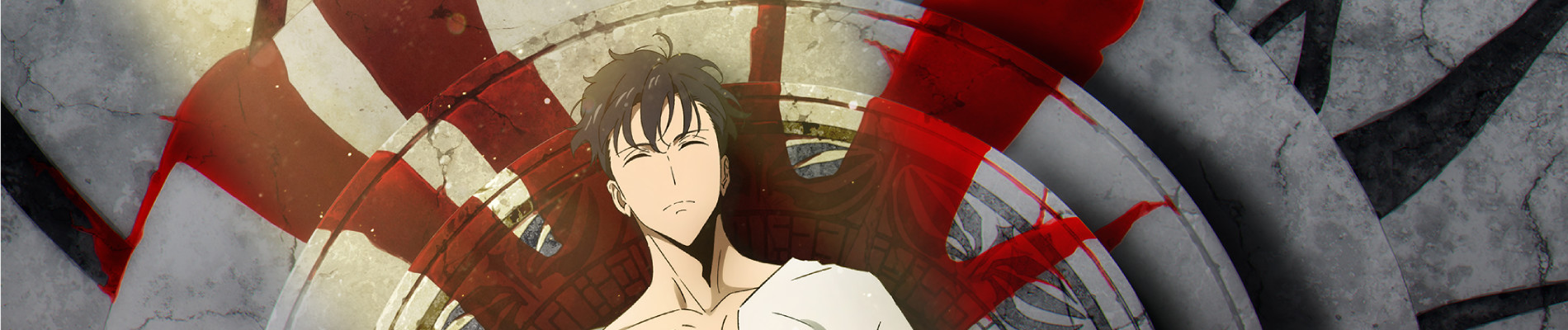
Solo Leveling Season 1 review: twelve episodes that turn the weakest hunter premise into a bingeable progression fantasy. If you searched for a Season 1 recap, score, or “should I continue to Season 2,” this is the destination page — spoiler-light up top, deeper below.
Hook
Season 1 has one job: make you believe Sung Jinwoo starts at the bottom, then make every level feel stolen from death. It opens with Episode 1 — “I’m Used to It” as survival horror, then spends the cour converting despair into systems, raids, and a finale that rebrands Jinwoo’s identity for Season 2.
That makes this first season unusually easy to recommend and slightly harder to describe without flattening it into “weak guy gets strong.” The leveling is absolutely the engine. The show knows you are here to see numbers move, skills unlock, and a hunter everyone dismissed become impossible to ignore. But its best trick is emotional timing. Every upgrade arrives after you have watched Jinwoo pay for being weak, then pay again for choosing not to stay weak.
Season 1 is not a dense political fantasy and it does not pretend every supporting hunter gets equal attention. It is a tight, forward-driving progression story about one person discovering that the rules he accepted may no longer apply to him. A-1 Pictures gives that premise enough scale, weight, and visual attitude to make twelve episodes disappear fast. The question is not whether it is revolutionary. The question is whether its particular kind of confidence makes for a great binge. For action-fantasy fans, the answer is yes.
Quick Information
- Episodes: 12 (+ recap special 7.5 in some listings)
- Studio: A-1 Pictures
- Music: Hiroyuki Sawano involvement; OP “Level”; ED “Request”
- Where to watch: Crunchyroll
- Kagex score: 8.7 / 10
- Best entry: Episode 1 (do not skip)
- Source: Chugong’s web novel and the webtoon illustrated by DUBU (REDICE STUDIO)
- Best for: action fantasy fans who enjoy dungeon systems, underdog climbs, and a protagonist-led binge
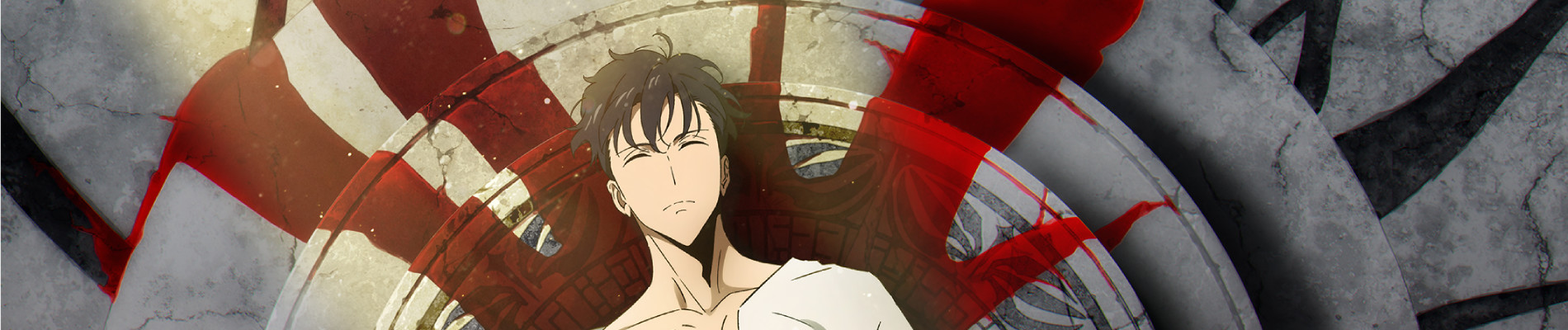
Should You Watch Solo Leveling Season 1?
Yes if you want a complete cour with a clear power curve and flagship action. Maybe not if you need dense political intrigue over Jinwoo’s personal climb. Beginners can start cold. Webtoon readers will notice pacing compression but still get the iconic beats.
Start with Episode 1, not a recap. The double dungeon is the emotional receipt for the entire season. It explains why Jinwoo’s later confidence feels satisfying instead of merely loud. Our Solo Leveling Episode 1 review breaks down that starting point, but the episode itself is still the proper entry.
Watch if you like momentum. Season 1 understands the weekly “just one more” rhythm. A dangerous quest opens a question; a new ability creates a harder question; a raid reveals another layer of the Hunter world. It rarely sits still long enough to become homework. The trade-off is that its emotional investment is overwhelmingly placed in Jinwoo. If your favorite anime are ensemble dramas where every teammate receives a complete arc, this will feel narrow.
Do not watch expecting instant dominance. The series does reach its famous power-fantasy mode, but the season earns that mood by spending time on fear, secrecy, and choices Jinwoo cannot undo. The early climb is more satisfying because he starts as someone people expect to carry out of a dungeon, not someone they expect to save it.
Spoiler Warning
Arc-level spoilers for Season 1 follow. Episode pages stay narrower.
Season Story Overview
Double dungeon floor
The premiere arc establishes Gates, ranks, and the temple that breaks Jinwoo’s old life. Allies like Lee Joohee and Song Chi-Yul matter here as human stakes, not merch faces.
This is the season at its most horror-leaning. A routine raid becomes a room with rules, giant statues, and no respect for Hunter rankings. Jinwoo’s E-rank status has already taught him that the job is dangerous; the temple teaches everyone else that competence is not the same thing as safety. It is a brutal opener, but it gives the story a scar. When he changes later, you remember the version of him who was still trying to keep people alive while nobody expected much from him.
The arc also establishes the series’ cleanest world rules: Gates are business, Hunters are ranked labor, and parties divide risk in a society that has learned to treat the supernatural as work. That grounded setup is why the later System material has traction. The world does not begin as a game menu. It begins as a job where the wrong door can kill you.
System climb & instance hunts
Mid-season Solo Leveling becomes a training loop: daily quests, instance keys, and the first times Jinwoo’s hidden growth outpaces what the Association can measure. Betrayal raids test whether he is still the kind weakling from Episode 1.
Once the Player awakening arrives, the show changes tempo without forgetting its pressure. Daily quests are funny at first because they reduce a life-or-death revelation to compulsory exercises; then they become a reminder that Jinwoo cannot simply opt out. The System is helpful, but it is not warm. It rewards effort, makes demands, and keeps its own motives sealed. That ambiguity gives the progression loop more bite than a simple “hero finds cheat code” story.
The instance dungeons are where Season 1 becomes a real binge. Each one lets Jinwoo test a different part of himself: combat ability, nerve, resource management, and the willingness to use his new advantage when nobody can see. The show does not dump every level-up into dialogue. It lets the audience notice that a movement which would have broken him in Episode 1 is now becoming routine. The power curve is visible in posture as much as it is in numbers.
The darker raid material matters because it asks a sharper question than “can he win?” Jinwoo has spent his life being exploited by stronger people. When he is finally the one with leverage, what does he owe people who see him as useful, disposable, or suspicious? Season 1 does not turn into a courtroom drama, but it understands that a power fantasy gets more interesting when the protagonist’s new strength changes the moral math around him.
Job change & shadow identity
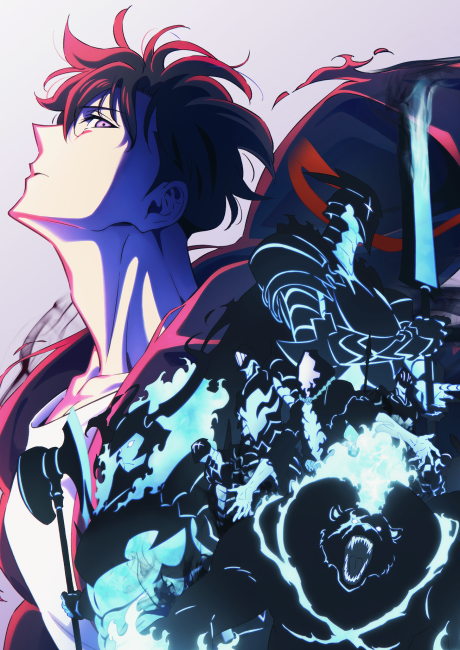
The late cour pushes Jinwoo into a job-change gauntlet and a finale that defines the “Arise” era brand. Season 1 ends as a launchpad into bigger threats (Jeju-scale dread included), not a full franchise ending.
The job-change stretch is where A-1 Pictures gets to deliver the images most viewers came for: Jinwoo alone against overwhelming odds, a dungeon that looks like it was built to erase him, and a new identity that feels like a line has been crossed. It works because the season has been patient about his isolation. Every gain has made him more capable, but it has also made ordinary conversation harder. He can no longer explain his life without exposing something dangerous.
The finale gives the cour a satisfying shape without pretending the franchise is finished. It confirms the flavor of Jinwoo’s growth and points toward a wider Hunter world full of threats, scrutiny, and scale. The Jeju material is particularly effective as a warning flare: the story is no longer only about whether one weak hunter can survive a raid. Bigger disasters are already waiting outside his personal climb.
Story Analysis
Season 1 pacing is confident about dopamine — but it earns it with Episode 1’s cruelty. The best episodes balance system toys with consequences (trauma, trust, Association eyes). Weak spots: side characters sometimes exist to measure Jinwoo’s new height. If you accept that as the genre, Season 1 flies.
Pacing: This is a twelve-episode season with very little wasted motion. It moves from double dungeon fallout to training, from private discovery to public consequences, then toward a finale that gives Jinwoo a recognizable new silhouette. That speed is a strength for binge viewers. It can also make the middle feel like a sequence of checkpoints if you are looking for long rests between fights. The show is built to escalate.
System storytelling: Solo Leveling makes menus and quests readable because it always ties them to a feeling. A penalty is frightening because Jinwoo has already learned that rules can kill. A reward feels good because the early episodes made him look genuinely helpless. The series is not trying to hide its game-like DNA; it is trying to make the mechanics feel personal. Most of the time, it succeeds.
Stakes: The strongest stakes are intimate before they become global. Jinwoo wants money, safety, and enough control to stop being the person everyone writes off. The wider world begins to notice him only after the audience has seen the private cost of that change. That sequence is smart. It keeps the season from becoming empty scoreboard watching.
Where it is thinner: Some Hunters arrive primarily to establish how far Jinwoo has moved beyond the room. Their reactions are entertaining, but they are not always full characters with independent momentum. Joohee and Song carry more human weight in the opening than several later faces get. This is a genuine limitation, though not a surprise for a protagonist-first progression fantasy.
Character Analysis
Jinwoo is the season. Joohee carries early empathy and PTSD honesty. Song carries veteran gravity. Later faces enter as the climb widens — we will unlock character pages as episode guides expand. Hub list: Solo Leveling characters.
Sung Jinwoo — the change is the point
Jinwoo is not compelling simply because he becomes strong. Plenty of action leads can do that. He works because Season 1 preserves the memory of who he was before strength gave him choices. The early version of Jinwoo apologizes, calculates risk, and keeps going because he has responsibilities. The later version stands straighter and speaks less, but the season keeps the transition uneasy enough that it does not feel like a costume swap.
His secrecy is a useful character pressure. A public confession would be easier in some ways, but his ability is too strange and his world too transactional for that to feel safe. Watching him choose what to reveal turns simple raid scenes into social tests. The full franchise may widen beyond him; this season earns its narrow focus by making every improvement reflect back on that initial humiliation.
Lee Joohee and Song Chi-Yul — the human baseline
Joohee is not merely the nice healer who cares about Jinwoo. Her anxiety after the double dungeon gives the season a needed reminder that trauma does not vanish when the plot needs another raid. Song, meanwhile, brings the veteran’s perspective: experience means taking responsibility under pressure, not being invulnerable. Together they help Episode 1 feel like more than a solo prologue.
Later supporting players are often strongest as points of friction, admiration, or concern around Jinwoo. That is entertaining but uneven. Season 1 wants you to feel the social gravity of his rise, and it gets that reaction; it just does not always pause long enough to give the whole orbit the same depth.
Animation & Music
A-1’s Season 1 look is a major reason “Solo Leveling Season 1 review” searches convert to watches. Fights read; dungeons feel hostile; the OP/ED package brands the binge. Not every CGI-assisted creature will please purists — the overall action direction still sells the cour.
A-1 Pictures understands the visual language of escalation. Early fights keep Jinwoo physically small in a wide, dangerous space. Later confrontations are framed around speed, impact, and the confidence of someone who finally belongs at the center of the shot. That shift makes the action feel like character development instead of a separate reward track.
The dungeon art does important work too. Ordinary Gates feel industrial enough to be part of a Hunter economy, while special spaces get more ritualistic and hostile. The show can lean on digital effects and CG-assisted creatures, and a few viewers will prefer a more traditionally animated texture. But the broad result is strong: impacts are legible, monster silhouettes have personality, and the biggest episodes know when to hold a frame instead of drowning it in particles.
Music gives the cour event energy without swallowing the scenes. Hiroyuki Sawano’s involvement fits the show’s big-screen ambition, while “Level” by TOMORROW X TOGETHER and “Request” by Krage make the weekly package instantly recognizable. The score works best when it lets a revelation breathe for a beat before the action rushes in.
World Building
Season 1 gives the Hunter setting enough texture to support its simple hook. Rankings are not just colorful labels; they decide who gets respect, who gets paid, and who is expected to survive. Guilds, raids, healing roles, and public attention make the Gates feel integrated into modern society. You do not need a long history lecture to understand why Jinwoo’s apparent change would attract eyes.
The System is the deliberate exception. It is private, demanding, and increasingly difficult to dismiss as a lucky accident. That contrast is the source of the season’s tension: the Hunter world believes it knows how power works, while Jinwoo is becoming evidence that its categories are incomplete. Season 1 only opens that door. It is smart enough not to explain every mystery before the audience has had time to enjoy the climb.
Pros and Cons
Pros: addictive progression with genuine early pain behind it; a standout double-dungeon premiere; readable, stylish action from A-1 Pictures; a clean twelve-episode binge; music and visual identity that make big moments land; an ending that makes Season 2 feel like a reward rather than homework.
Cons: Jinwoo-centric to a fault; some middle “grind” episodes are functional more than profound; several supporting Hunters are more effective as reactions than as fully developed people; viewers allergic to stat screens and overpowered trajectories will see the destination coming early.
Final Verdict
Solo Leveling Season 1 is a high-confidence recommend for action fantasy fans. It knows exactly what it wants to deliver: the satisfaction of watching a dismissed hunter seize control of a world that has already priced his life cheaply. It is not the genre’s deepest ensemble piece, and the supporting cast sometimes pays for the speed of Jinwoo’s climb. Still, the premiere has real dread, the progression has real snap, and the final stretch earns the show’s reputation for making a power-up feel like an event. 8.7 / 10.
- Story: 8.6 / 10
- Characters: 8.3 / 10
- Animation: 8.9 / 10
- Music: 8.5 / 10
- Enjoyment: 9.0 / 10
- Overall: 8.7 / 10
What Comes Next
Season 2 continues the shadow-era scale, but Season 1 is not optional setup to skip. The floor is the point. Finish the twelve episodes, let the job-change finale land, and then move forward knowing why Jinwoo’s next level of confidence matters. The wider threats have been signposted; the next season has room to make them personal.
FAQ
How many episodes in Solo Leveling Season 1?
12 main episodes.
Is Season 1 worth watching before Season 2?
Required, not optional, if you care about Jinwoo’s arc.
Where to watch Season 1?
Crunchyroll.
Best episode to start?
Episode 1.
Is Solo Leveling Season 1 a complete story?
It completes a major stage of Jinwoo’s transformation and ends with a satisfying identity shift, but it intentionally leaves larger franchise mysteries and threats for later seasons.
Do I need to read the webtoon first?
No. The anime is welcoming to newcomers. Readers may notice compressed material, but Season 1 still delivers the core emotional and action beats.
Is Season 1 too violent?
It has monster violence, blood, and a notably grim double-dungeon opener. The tone is dark action rather than nonstop horror, but the danger is not cosmetic.
Who made Solo Leveling Season 1?
A-1 Pictures produced the anime. The story originates with Chugong, with the webtoon illustrated by DUBU (REDICE STUDIO).
Should I watch the recap special?
It can help if you are returning after a break, but first-time viewers should watch the twelve main episodes in order.
Keep exploring
- Season 2 review — Arise from the Shadow
- Anime hub
- Overall review
- Episode 1 review
- Browse episodes
- Sung Jinwoo explained
Your turn
Favorite Season 1 stretch — double dungeon, system grind, or job-change finale? Are you continuing to Season 2 immediately?