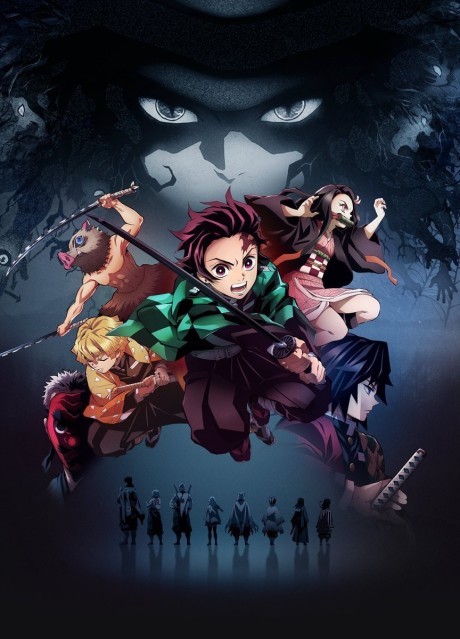
Can a tragedy-first action anime stay sincere for 26 episodes without collapsing into empty spectacle — or does Demon Slayer only “count” once the later seasons go viral? Season 1 answers by turning Tanjiro’s wound into training, missions, and a mountain climax that still defines the franchise. This is the Kagex Blog Season 1 review: worth watching, what works, what is thinner, and why you start at Episode 1.
Hook
Most internet Demon Slayer talk jumps straight to later districts, flashy breath styles, and movie numbers. Season 1 is where the show actually earns that attention. It takes a kind brother, breaks his ordinary life, and asks whether kindness can survive a profession built on killing demons — including the sister he refuses to abandon.
If you want only peak sakuga playlists, you can clip later arcs. If you want to understand why people care, Season 1 is the road. Final Selection, first missions, Natagumo Mountain, and the recovery stretch are not optional lore. They are the emotional grammar later seasons assume.
Quick Information
- Anime: Demon Slayer: Kimetsu no Yaiba
- Season: Season 1
- Episodes: 26
- Studio: ufotable
- Original air dates: April 6, 2019 – September 28, 2019
- Genres: Action, Fantasy, Drama, Historical
- Source: Manga by Koyoharu Gotouge
- Opening theme: “Gurenge” (LiSA)
- Kagex score: 8.8 / 10
- Where to watch legally: Crunchyroll; Netflix (availability can vary by region)
Should You Watch Season 1?
Yes — if you want the real Demon Slayer, not a highlight reel. Season 1 is beginner-friendly, emotionally complete as an origin season, and clearer about the show’s heart than any mid-franchise jump-in.
Is it worth watching in 2026? Still yes. The sincerity has not aged into irony, and ufotable’s craft still pops.
Is it slow? Training and early missions breathe. Natagumo is where many viewers feel the season fully “arrive.” If you quit after Episode 1’s tragedy without giving the Corps path time, you quit before the thesis expands.
Who will love it? Fans of emotional action, found-family stakes, striking fight direction, and earnest heroes.
Who might bounce? Viewers who dislike tragic openings, demon horror imagery, or straightforward shonen morality.
Bottom line: start with Episode 1. If Tanjiro and Nezuko’s bond works for you, Season 1 is an easy recommend. Do not start at Entertainment District or a movie.
Spoiler Warning
Light spoilers for Season 1 structure and major arcs follow. Skip to Final Verdict and FAQ for a spoiler-light recommendation.
Season Story Overview
Season 1 is Tanjiro’s origin as a Demon Slayer. It is not trying to finish the franchise. It is trying to answer one question: can a kind person enter a killing profession without losing the reason he fights?
Family tragedy to resolve
Episode 1 destroys the Kamado home and turns Nezuko into the mission. The premiere is invitation through grief. Everything afterward is Tanjiro trying to make that grief useful instead of poisonous.
Final Selection — earning the uniform
Training under Sakonji Urokodaki and surviving Final Selection turn resolve into membership. Season 1 uses this stretch to introduce Corps culture, danger as curriculum, and the first peers who will matter later. Tanjiro’s kindness is tested in a place designed to produce killers.
First missions — learning the job
Early assignments teach that demons are not only bosses; they are tragedies with teeth. Season 1’s “job arc” episodes can feel episodic, but they deepen Tanjiro’s empathy rule: understand the human cost without hesitating when people need protecting.
Natagumo Mountain — Season 1’s structural peak
The spider mountain stretch is where Season 1 proves it can escalate. Family horror, oppressive systems, and multi-front fights collide. Without spoiling every beat, this is the arc that converts many casual starters into committed fans — and where Inosuke and Zenitsu stop being only comic relief.
Rehabilitation and the road ahead
The late season recovery stretch lets wounds matter. Sword skill, friendships, and unfinished threats set up what follows without requiring you to abandon Season 1’s emotional center. The season ends with a clear identity: this is a story about protectiveness under pressure.
Story Analysis
Season 1 works because it sequences feelings correctly: love → loss → discipline → camaraderie → nightmare → resolve again. A lot of action first seasons reverse that order and start with cool uniforms. Demon Slayer earns the uniform after the wound.
Pacing is the usual complaint in the training/mission middle, and it is fair in spots. Some demon-of-the-week beats exist to teach rules. Natagumo repays that patience by using the cast and themes Season 1 prepared.
Tone stays sincere. Comedy exists (Zenitsu panic, Inosuke chaos) without fully dissolving the grief engine. If you need constant irony, this may feel earnest. That earnestness is the brand.
Theme is clearer than the meme suggests. Strength is not only breath techniques. Strength is refusing to let cruelty rewrite your definition of family. Nezuko’s presence keeps that theme visible even when fights dominate the frame.
Structure is classic first-season world-building: open the wound, join the institution, learn the job, survive a defining crisis, end ready for a bigger map. As a Season 1 of a hit franchise, that is disciplined.
Character Analysis
Tanjiro Kamado
Season 1 Tanjiro is empathy as a combat style. He reads opponents and allies, carries guilt without collapsing into edginess, and keeps Nezuko’s humanity as a non-negotiable. That leadership-through-care is why later spectacle still has a person at the center.
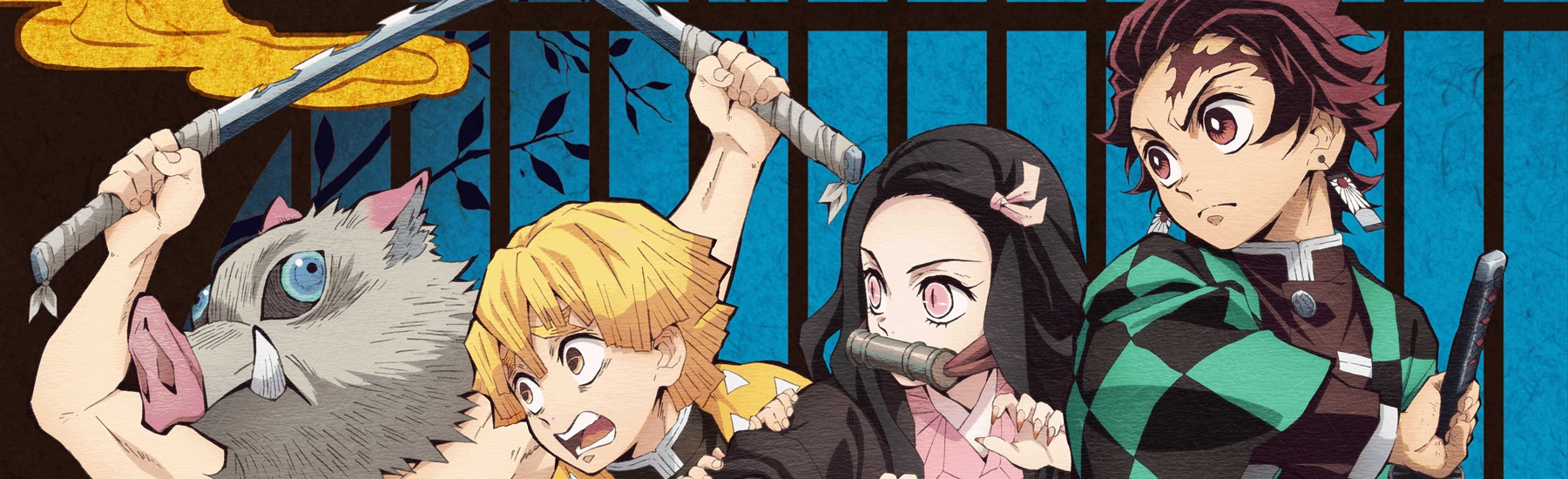
Nezuko, Zenitsu, Inosuke
Nezuko remains the emotional compass. Zenitsu and Inosuke arrive as chaos and become comrades through shared terror and loyalty. Season 1’s ensemble works because the comedy never fully erases the danger that binds them.
Corps mentors and threats
Urokodaki, Giyu’s shadow, and the mountain’s horrors teach different lessons: discipline, institutional coldness, and what happens when “family” becomes a cage. Season 1 antagonists are often intimate — systems of abuse wearing demon faces.
World Building
Breath styles, nichirin blades, Demon Slayer ranks, and demon hierarchies enter through practice and crisis. Taisho-era texture keeps the fantasy grounded in roads, towns, and folklore dread. Season 1 gives you enough rules to watch fights intelligently without turning into a manual.
Animation Review
ufotable’s Season 1 craft is a major reason the show exploded: effects-heavy battles, expressive night scenes, and composition that makes emotion cinematic. Not every episode is equal peak, and that honesty matters. The highs are high enough to redefine mainstream shonen presentation for a lot of viewers.
Music and Voice Acting
“Gurenge” is a thesis song — struggle as forward motion. Score work flips from tender to terrifying with the story. Ensemble voice performances sell panic, sincerity, and rage without turning Tanjiro into a parody of goodness.
Best Moments
Episode 1’s family destruction. The wound everything else answers.
Final Selection survival. Resolve becoming membership.
Natagumo Mountain. Season 1’s proving ground for craft and cast.
Found-family sparks with Zenitsu and Inosuke. Comedy that earns loyalty.
Pros and Cons
Pros: powerful emotional on-ramp, standout fight direction, clear themes, strong cast chemistry by season’s end, perfect “start here” positioning.
Cons: some mid-season mission episodes are thinner; tragedy-first tone is not for everyone; later-franchise hype can make Season 1 feel “incomplete” if you binge with spoilers already in your head.
Final Verdict
Season 1 is worth watching — and worth finishing before any later arc or movie. It does not try to be the whole Demon Slayer experience. It builds the heart you will refuse to abandon later.
- Story: 8.8 / 10
- Characters: 9.0 / 10
- Animation: 9.2 / 10
- Music: 8.9 / 10
- Enjoyment: 8.9 / 10
- Overall: 8.8 / 10
Recommendation: watch Season 1 from Episode 1 if you want real Demon Slayer. Give it through Natagumo before judging, and continue if Tanjiro’s kindness still feels like a strength rather than a gimmick.
What Comes Next
Later seasons and films raise the spectacle and the board size. No deep spoilers — just this: if Season 1 made you protective of this trio, what follows tests that attachment harder.
FAQ
Is Demon Slayer Season 1 worth watching?
Yes. It is the correct origin season for Tanjiro, Nezuko, and the Corps path.
Should I skip to later seasons?
No. Later arcs assume Season 1 attachment and rules.
How many episodes are in Season 1?
26.
Is it beginner friendly?
Very. Start at Episode 1.
Is the season slow?
Training and early missions are lighter. Natagumo escalates hard.
Where can I watch legally?
Crunchyroll and Netflix in many regions.
Do I need the manga first?
Not required.
Can I start with Mugen Train?
Not as your first Demon Slayer. Watch Season 1 first.
Is Season 1 only setup?
No. It has a complete emotional arc and a major climax of its own.
Keep exploring
- Demon Slayer — anime hub
- Season 1 Episode 1 review
- Full series review
- Browse seasons & episodes
- Episode 2 review — coming soon
Your turn
What was your favorite Season 1 stretch — Final Selection, early missions, or Natagumo? Did the trio’s chemistry work for you? What score would you give Season 1?