Solo Leveling Episode 1 review time: is “I’m Used to It” worth watching, or just flashy trailer bait? This page is the full Solo Leveling Episode 1 recap, beginner guide, and honest score — built so you can decide whether the weakest hunter story is your next binge. Stay for the dungeon. Stay for Sung Jinwoo. Stay if you searched “Solo Leveling Episode 1 review” because you want answers, not hype.
Hook
Gates open. Hunters enter. Magic beasts die — or people do. In that world, Sung Jinwoo is famous for the wrong reason: humanity’s weakest weapon. Episode 1 of Solo Leveling (俺だけレベルアップな件) does not open with him as an unstoppable aura farmer. It opens with him apologizing for existing in a raid party.
That is the SEO keyword everyone dances around and the storytelling point that matters. If you only know Solo Leveling from TikTok clips of later power, Episode 1 will feel slower and meaner. If you want to understand why the power fantasy hits, you need this humiliation baseline. The double dungeon turn is where the premiere stops being “another hunter show” and becomes a survival horror raid with statues that do not care about your rank.
So the question this Solo Leveling Episode 1 review answers: should you start the anime tonight — and does Episode 1 actually deliver?
It does, mostly because it refuses to confuse “weak” with “empty.” Jinwoo is underpowered, but he is not waiting around for the script to hand him a personality. He notices who is hurt, knows when the party is cutting its losses, and keeps walking into raids because an E-rank paycheck still means something at home. That small, stubborn decency is the real first stat the show gives him.
The pilot also understands that dungeon fantasy needs contrast. A normal raid is noisy, practical work: party members call positions, weapons do their job, and everyone expects to go home with a little money. The hidden chamber is silence, ancient stone, and a rule set nobody has agreed to. The episode lets that contrast breathe. When the statues move, it feels like the series has quietly removed the safety rails.
Quick Information
- Anime: Solo Leveling (Ore dake Level Up na Ken)
- Season / Episode: Season 1, Episode 1
- English episode title: I’m Used to It
- Runtime: about 24 minutes
- Studio: A-1 Pictures
- Genres: Action, Adventure, Fantasy
- Original air date: January 7, 2024
- Kagex score: 8.7 / 10
- Where to watch legally: Crunchyroll (check your region)
- Characters to know: Sung Jinwoo, Lee Joohee, Song Chi-Yul
Should You Watch Solo Leveling Episode 1?
Is Solo Leveling Episode 1 worth watching? Yes — if you want a dark fantasy action setup with clear stakes. It is beginner-friendly, visually confident, and cruel on purpose. You do not need the webtoon first.
Is it slow? Compared with late-season highlight reels, the first half is character and world tutorial: Gates, ranks, party roles, Jinwoo’s status as dead weight. The second half accelerates into the double dungeon and statue massacre. Patience in act one pays off in act two.
Who will enjoy it? Fans of underdog power fantasies, dungeon crawls, and “system” stories — even before the System fully takes over later episodes.
Who might bounce? Viewers who need comedy-first isekai vibes, or who hate watching a protagonist get verbally and physically wrecked for most of a premiere. Fair. Episode 1 is humiliation with a purpose.
Bottom line: watch Episode 1. If the statue room makes your stomach drop, keep going. If you only wanted instant overpowered Jinwoo, understand that Solo Leveling earns the level-ups by starting at the floor.
There is one useful warning for newcomers: this is a premiere built around a cliffhanger, not a complete “monster defeated” loop. It gives you enough action to establish the Hunter world, then deliberately leaves you in the worst room imaginable. That can feel abrupt if you only sample one episode. For everyone else, it is exactly the kind of ending that turns “I’ll try it” into “fine, one more.”
Spoiler Warning
Spoilers for Solo Leveling Season 1 Episode 1 follow. Stop above for a clean first watch. This Solo Leveling Episode 1 recap stays inside Episode 1 — no Season 2 spoilers.
Story Recap — Solo Leveling Episode 1
Ordinary Life
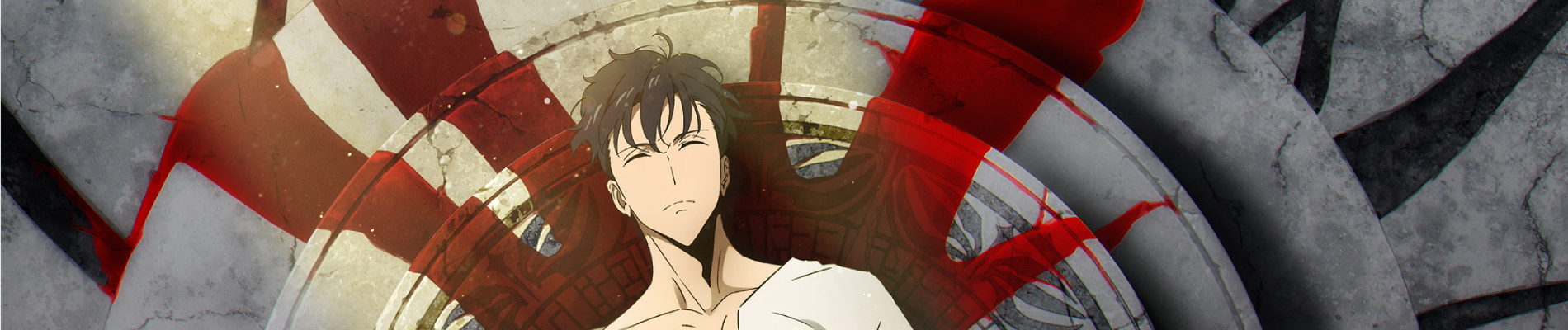
We meet a world already changed: Gates connect Earth to monster dimensions, and Hunters are the people paid (and celebrated) to clear them. Inside that economy, Sung Jinwoo is the E-rank punchline — useful as a body count filler, not as a damage dealer. He still shows up. He still cares about the paycheck and the people who do not mock him as hard as the rest.
That “ordinary” is already extraordinary for everyone else. For Jinwoo, ordinary means being used to pain, insults, and almost dying so others can look cool. The episode title is not a flex. It is a bruise.
The early dungeon scenes are doing more than explaining ranks. They show the strange labor culture that has grown around Gates. Hunters are celebrities at the top end, contractors in the middle, and disposable help at the bottom. Jinwoo lives in that last category. He is tolerated because the party can use another body and because he asks for very little. The way stronger hunters talk around him is casual rather than cartoonishly evil, which makes it sting more: they have normalized the idea that he will be injured.
That is also why his relationship with Joohee matters immediately. She does not pretend he is secretly fine. She worries because he is visibly not fine. The show gives their concern a practical texture: healing resources are limited, fear can ruin a raid, and friendship does not magically erase rank. By the time the party reaches the first dungeon’s exit, you understand exactly what Jinwoo risks every time he clocks in.
Unexpected Incident
Jinwoo enters a dungeon with a party that includes healer Lee Joohee and stronger hunters who treat him like luggage. The raid seems to go to plan. Boss down. Then the Gate does not behave. A second dungeon path opens — a connected nightmare the party did not budget for.
The group splits on whether to proceed. Jinwoo, exhausted of being worthless in the room where votes matter, becomes the tiebreaker that sends them deeper. It is one of the premiere’s sharpest character beats: the weakest hunter’s agency is what dooms the party’s easy day.
The choice is not written as heroic curiosity. The promised reward sounds useful, the room looks manageable, and the party has just won a routine fight. That is why it lands. Nobody knowingly signs up for a massacre; they make the ordinary raid decision that suddenly becomes unforgivable in hindsight. Jinwoo’s vote carries a little extra weight because he wants to contribute something. For once, he is not merely being dragged along.
Episode 1 avoids turning that moment into blame. The veterans have reasons to be cautious, while the people tempted by the extra path have reasons to hope. The double dungeon’s cruelty is that both instincts are human and neither is enough. A good horror setup does not need characters to act stupid. It needs them to make a reasonable decision in a place that was built to punish reason.
New World
The second dungeon is not a normal loot hallway. It is empty in the wrong way — a temple-like space that feels designed, not spawned. Senior presence like Song Chi-Yul tries to keep order while the architecture itself becomes the antagonist.
This is where Solo Leveling Episode 1 flips genres. Hunter procedural becomes trap dungeon. Rules exist. Statues watch. The “new world” is not another planet — it is a room that judges you.
A-1 Pictures sells the shift through scale and stillness. The earlier cave has a job-site rhythm: footsteps, attacks, chatter, a monster to target. The temple has too much open space and nowhere that feels safe. The giant central statue reads as decoration for just long enough that your brain does the work of making it ominous. Then the show proves that the background has been watching the whole time.
Song becomes especially useful here because he is not framed as a magical answer. He is experienced enough to tell everyone to stop panicking and look for rules, but he cannot out-muscle the room by himself. That distinction keeps the scene tense. The old hand can organize bodies; he cannot guarantee that any of those bodies leave.
First Discovery
The party discovers the statues are not decorations. They are executioners. Hunters who looked invincible minutes earlier die with humiliating speed. Rank stops meaning safety. Gear stops meaning plot armor. Jinwoo’s “I’m used to it” survival instinct becomes the only useful skill left when swagger fails.
Joohee’s healer role collapses under trauma. Song’s experience becomes triage leadership. The premiere is careful to show competence and panic in the same frame — that mix is why the episode still works on rewatch.
The violence is effective because the episode does not turn it into a victory lap. There are no clean exchanges or triumphant callouts once the temple starts killing. People freeze, misread the danger, and realize too late that their usual combat logic has no value. The statues make the Hunters look small without needing a long lecture about how powerful they are.
Jinwoo’s attention to detail is the counterpoint. He is terrified, but terror has been part of his routine for so long that he can still observe. That is a much better first glimpse of protagonist potential than a sudden hidden skill. The episode is telling you that his survival instinct did not begin with the System; it was already there, honed by a life where every dungeon asked more from him than he could safely give.
Important Encounter
The important encounter is not a friendly mentor speech. It is Jinwoo face-to-face with a death game architecture that will not negotiate. Episode 1 ends on slaughter and dread, not a victory screen. If you came for dopamine level-ups, note this: Solo Leveling makes you taste the floor before it offers a ladder.
That unfinished terror is the hook into Episode 2. This review will not spoil the System payoff — only that Episode 1’s job is to make survival feel impossible.
Story Analysis
As a Solo Leveling Episode 1 review take: the premiere succeeds because it protects the thesis. Power fantasy without weakness is just a highlight reel. A-1 Pictures and the script spend real minutes on Jinwoo’s social death before the literal one.
Pacing is front-loaded with world rules, then brutal. Some viewers call the early raid “slow.” It is load-bearing. Without the insult economy, the statue massacre is only gore.
Emotion comes from competence gaps. Watching strong hunters die is shocking; watching Jinwoo keep thinking while terrified is the character sell.
World-building is efficient: Gates, ranks, party roles, Association-adjacent professionalism. You leave literate enough to follow Season 1 without a wiki homework session.
The real hook is control. At first Jinwoo has almost none: his rank is fixed, his income depends on danger, and stronger people decide whether he belongs in the room. The double dungeon is terrifying because it takes even the illusion of control from everyone else. For one episode, the supposedly powerful Hunters are reduced to the same raw question Jinwoo has lived with all along: can I get out alive?
That framing also makes the title do quiet work. “I’m Used to It” sounds like a throwaway answer from someone accustomed to being hurt. By the end, it has become an indictment of the world around him. Jinwoo has accepted treatment no one should have to accept, and the first episode makes you want that pattern to break before it gives you any reason to expect it will.
Character Analysis
Sung Jinwoo — weakest hunter on purpose
First impression: kind, stubborn, painfully self-aware. Motivation in Episode 1 is not “become the strongest.” It is “do not drag them down” and “still earn something for the people who need him.” That makes later power hits land. Full guide: Sung Jinwoo explained — powers & story role.
Lee Joohee — healer under pressure
Joohee is the premiere’s human warmth and its trauma warning light. She supports Jinwoo when others mock him, then hits a wall when the dungeon stops being a job. Guide: Lee Joohee explained.
Song Chi-Yul — senior hunter energy
Song is the adult professionalism in the room — experience, command presence, and the grim math of who can still move. Episode 1 uses him to show that even veterans can be outclassed by a dungeon that cheats. Guide: Song Chi-Yul explained.
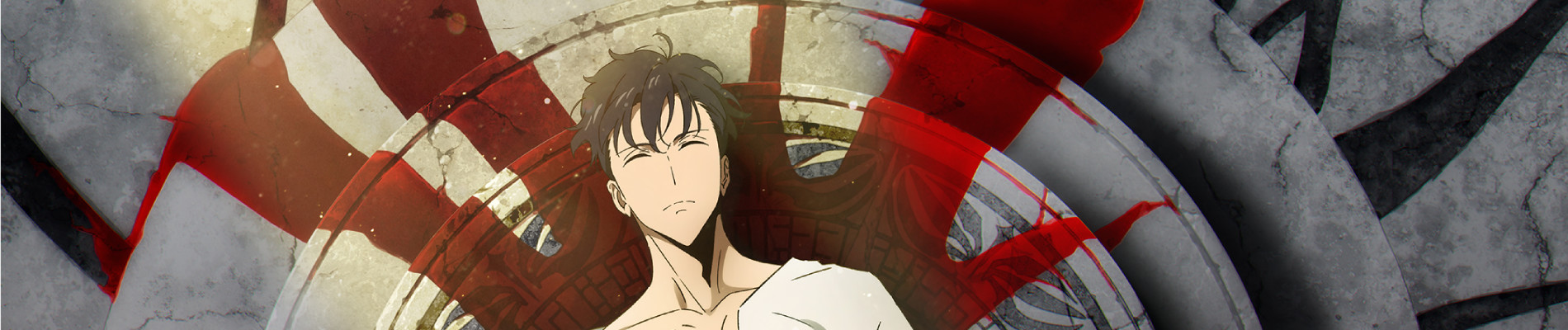
World Building
Episode 1’s world rules are clean enough for SEO searches like “what are gates in Solo Leveling” without a lore dump. Gates = portals. Hunters = ranked combatants. Raids = jobs with loot and death. The double dungeon introduces a nastier idea: some spaces are designed as tests, not ecosystems. That distinction matters for the rest of Season 1.
It is worth stressing how grounded the premise feels before it goes supernatural in a new direction. A Gate is not just a portal to an adventure map. It creates an industry: rankings decide opportunities, parties divide responsibility, healers have a visible emotional burden, and low-rank people take risks because rent and family needs do not care about their combat stats. The series can later get flashy because this first episode gives its dungeon work an economic and human cost.
The temple adds a different layer. Its design suggests intent, hierarchy, and rules older than the Hunters who walk into it. Episode 1 wisely does not explain that intent yet. It only gives the audience the feeling that Gates may be more than random holes in the world. Mystery works better here than an encyclopedia entry would.
Animation Review
A-1 Pictures opens Solo Leveling with modern action clarity: readable fights, heavy impacts, and a statue sequence that sells scale and panic. It is not nonstop sakuga for twenty-four minutes — and it should not be. The premiere saves visual violence for the turn. Character acting on Jinwoo’s face does as much work as the CGI-adjacent spectacle some trailers promised.
The color script deserves credit too. The regular dungeon feels rough but familiar; the hidden chamber drains warmth and replaces it with stone, shadow, and small figures under huge faces. The camera repeatedly reminds you how little space the Hunters control. When a statue moves, the animation does not need to over-explain the danger. The weight, angle, and aftermath do the talking.
Music and Voice Acting
Hiroyuki Sawano’s involvement in the season’s musical identity gives Episode 1 a big-stage pulse even before the OP fully brands the weekly habit. Voice work sells the insult comedy and the later terror — Jinwoo’s smallness is performed, not only written. “Level” / “Request” become the season’s weekly handshake after the premiere stakes are set.
Hidden Details
Rewatchers can track how often Jinwoo apologizes — the script trains you to hear his self-erasure. Party composition dialogue is a stealth tutorial for healer/tank/DPS roles. The Gate refusing to close is the first “rules can break” warning. And Jinwoo’s tiebreaker vote is the quiet thesis: even the weakest choice can change a raid’s fate.
Watch the group’s body language before the temple reveals itself. People who were relaxed after the first clear become guarded before they can name why. The room has a ritual quality that clashes with the practical, loot-focused mindset of a normal raid. That visual unease makes the later rules feel discovered rather than dropped from nowhere.
Another small strength: Joohee and Song are not only present to praise Jinwoo. Her fear has its own logic, and his commands have their own cost. Their reactions keep the camera from treating the tragedy as a private origin story. This is a group disaster, and Jinwoo’s future matters more because other people were caught in the same machine.
Best Moments
Jinwoo’s workplace humiliation. Necessary. Mean. Effective.
The Gate that will not end the job. Instant genre turn.
The statue room awakening. The image that made Solo Leveling Episode 1 travel online.
Joohee trying to hold it together. Human cost beside the spectacle.
Jinwoo still thinking while dying feels inevitable. Protagonist energy without power yet.
Song choosing order over panic. A small leadership beat that makes the temple feel even crueler when experience is not enough.
The room realizing it has rules. The best kind of dungeon twist: fear becomes a puzzle, but the puzzle is still trying to kill everyone.
Pros and Cons
Pros: strong underdog baseline, clear world rules, excellent double-dungeon turn, clickable character cluster for new fans, beginner-friendly Solo Leveling start.
Cons: first half can feel like setup if you only want boss fights; Jinwoo’s suffering is relentless by design; Episode 1 is a cliff of dread more than a closed victory arc.
It is also fair to say the side Hunters are sketched quickly. The episode needs you to grasp the party dynamic rather than memorize every name, so a few casualties register as shock more than fully developed loss. That is a pilot trade-off, not a deal-breaker, and the core trio carries enough emotional texture to make the room hurt.
Final Verdict
Solo Leveling Episode 1 is a hard, stylish on-ramp. It answers “is Solo Leveling worth watching?” with a conditional yes: watch if you can handle an underdog premiere that withholds easy wins. Kagex score: 8.7 / 10.
- Story: 8.8 / 10
- Characters: 8.6 / 10
- Animation: 8.9 / 10
- Music: 8.4 / 10
- Enjoyment: 8.7 / 10
- Overall: 8.7 / 10
Recommendation: start here on Crunchyroll. If the statue sequence hooks you, continue Season 1. Read our character guides when a name sticks.
What to Expect Next
Episode 1 ends in catastrophe. Episode 2 has to answer whether anyone gets a second chance — without this page spoiling how. If you care about Jinwoo, Joohee, and Song after the temple, keep watching.
Expect the immediate aftermath rather than a reset. The premiere has spent too much effort making the room matter to wave it away. That is the promise of the next chapter: not simply more monsters, but an answer to what survival costs when the weakest person in the party is the one still trying to understand the rules.
FAQ — Solo Leveling Episode 1
Is Solo Leveling Episode 1 worth watching?
Yes. It is the correct starting point and a complete tone sample: weak Jinwoo, brutal dungeon logic, high production value.
What is Solo Leveling Episode 1 called?
“I’m Used to It.”
Do I need to read the webtoon first?
No. The anime premiere explains Gates and ranks clearly.
Where can I watch Solo Leveling Episode 1?
Crunchyroll is the common legal stream outside restricted regions.
Is Episode 1 scary or action-heavy?
Both. Early raid action, then survival dread in the statue dungeon.
Who is Sung Jinwoo in Episode 1?
An E-rank hunter treated as dead weight — full profile: Sung Jinwoo explained.
Is Solo Leveling good for beginners?
Yes. Season 1 Episode 1 assumes almost no franchise knowledge.
When does Jinwoo get strong?
Not as a full power fantasy in Episode 1. The premiere is the floor. Keep watching Season 1 for the climb.
Why do the Hunters enter the second dungeon?
It appears after a normal clear as a rare extra path. The party sees a potential reward and underestimates how different the chamber is from an ordinary Gate.
Does Episode 1 spoil the whole premise?
No. It establishes Jinwoo’s low point and the immediate danger, but the major turns of his journey unfold after this cliffhanger.
Keep exploring
- Solo Leveling — anime hub
- Solo Leveling review — worth watching?
- Solo Leveling Season 1 review
- Browse seasons & episodes
- Solo Leveling characters
- Sung Jinwoo explained
- Lee Joohee explained
- Song Chi-Yul explained
- Episode 2 review — coming soon
Your turn
Did Episode 1’s statue room hit harder than the early raid insults? Are you team “start because of Jinwoo” or “start because of the animation”? What score would you give Solo Leveling Episode 1 — and are you continuing to Episode 2 tonight?